The bark beetle epidemic is devastating Alpine forests, especially those of Norway spruce. To limit the damage, an integrated approach is needed that includes monitoring, active forest management and ecosystem restoration.
The impact of bark beetles on Alpine forests
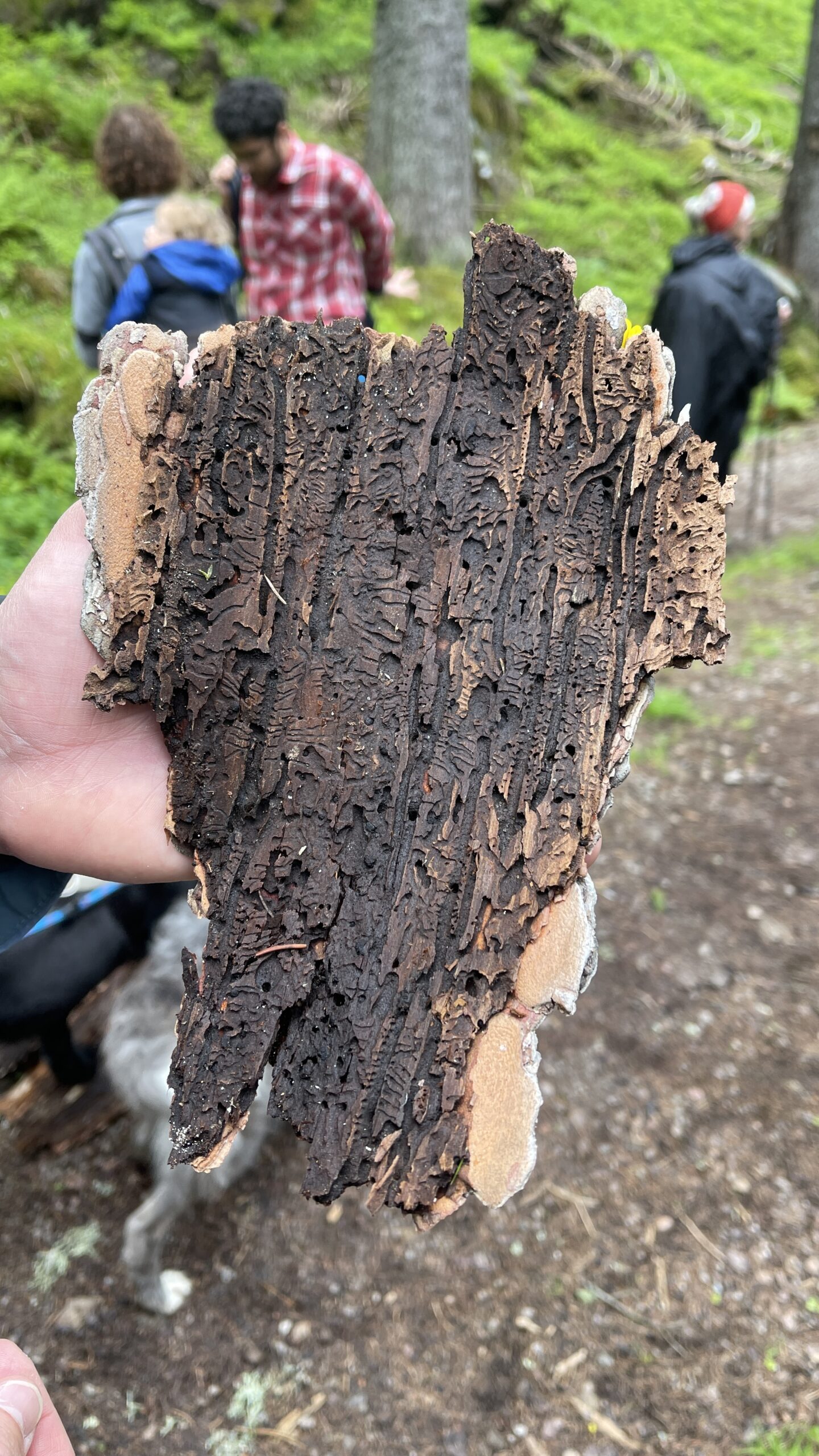
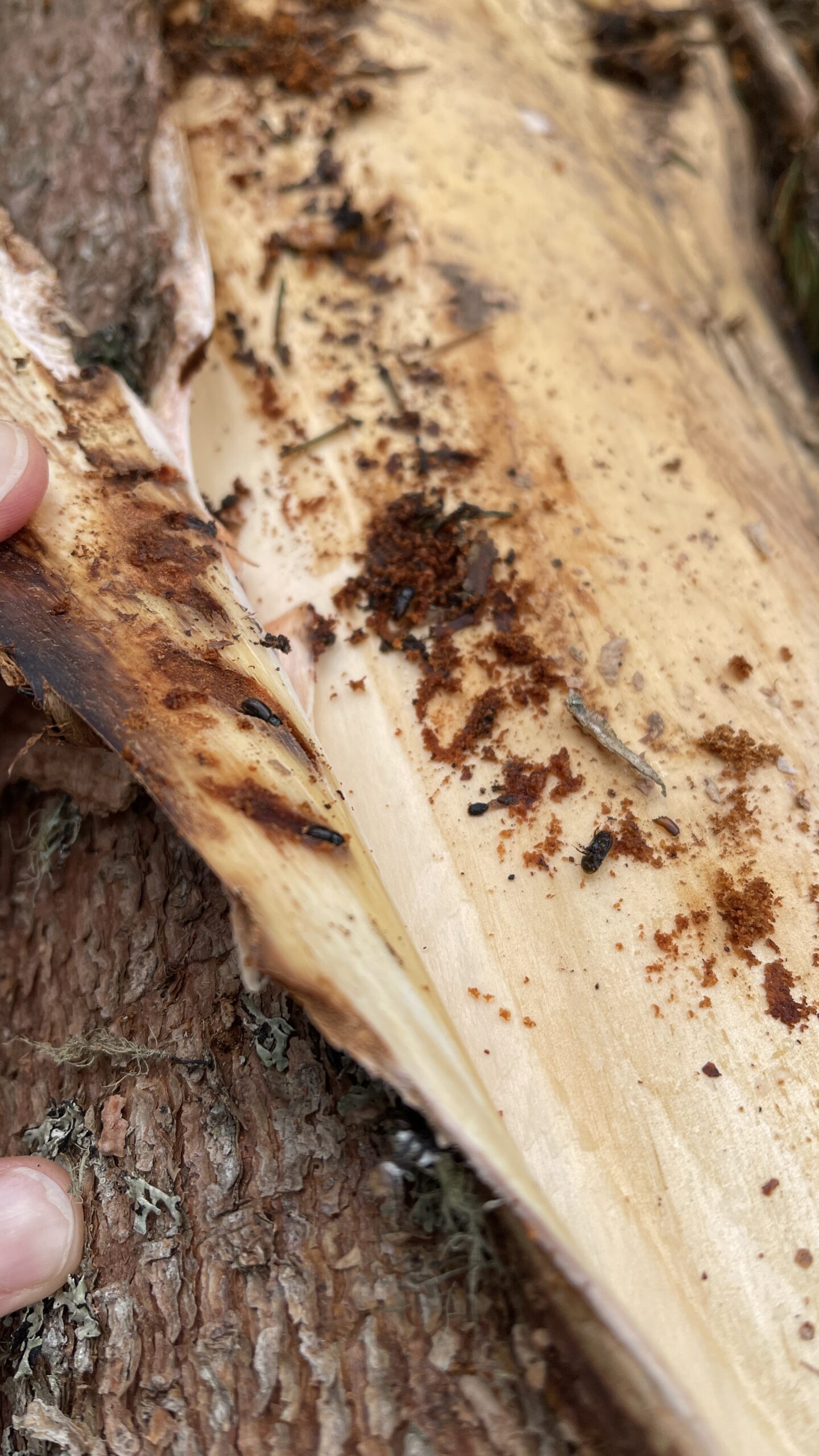
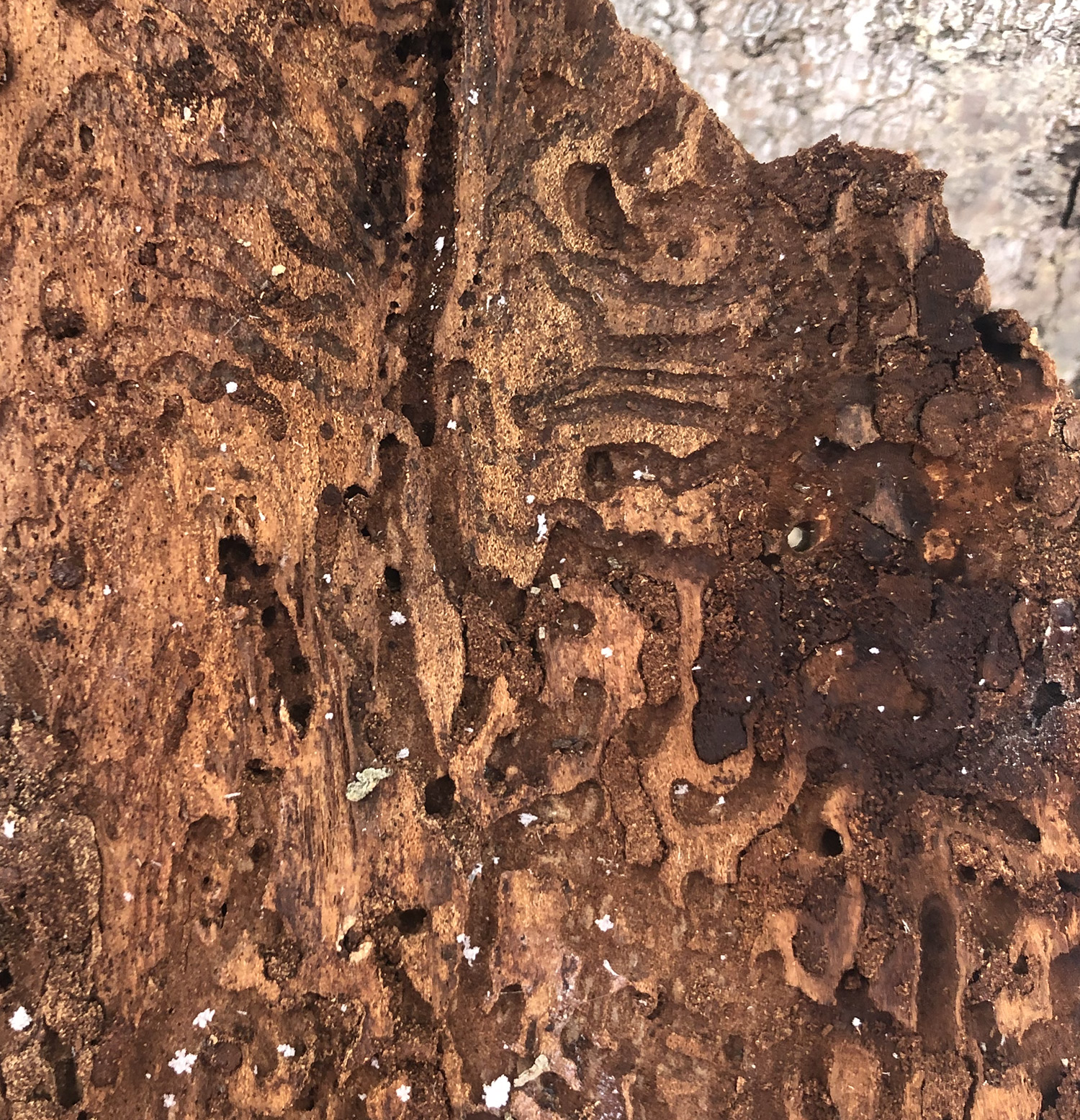
The European spruce bark beetle (Ips typographus) is a xylophagous (wood-eating) insect that mainly attacks spruce trees, digging tunnels under the bark and interrupting the trees’ lymphatic flow. This pest has become an increasingly serious problem in Alpine forests since Storm Vaia in 2018. Extreme weather events, such as windstorms and heatwaves, weaken trees, making them more susceptible to bark beetle attacks. The epidemic has devastated entire wooded areas, reducing biodiversity and destabilising the balance of ecosystems.
Why climate change favours the bark beetle
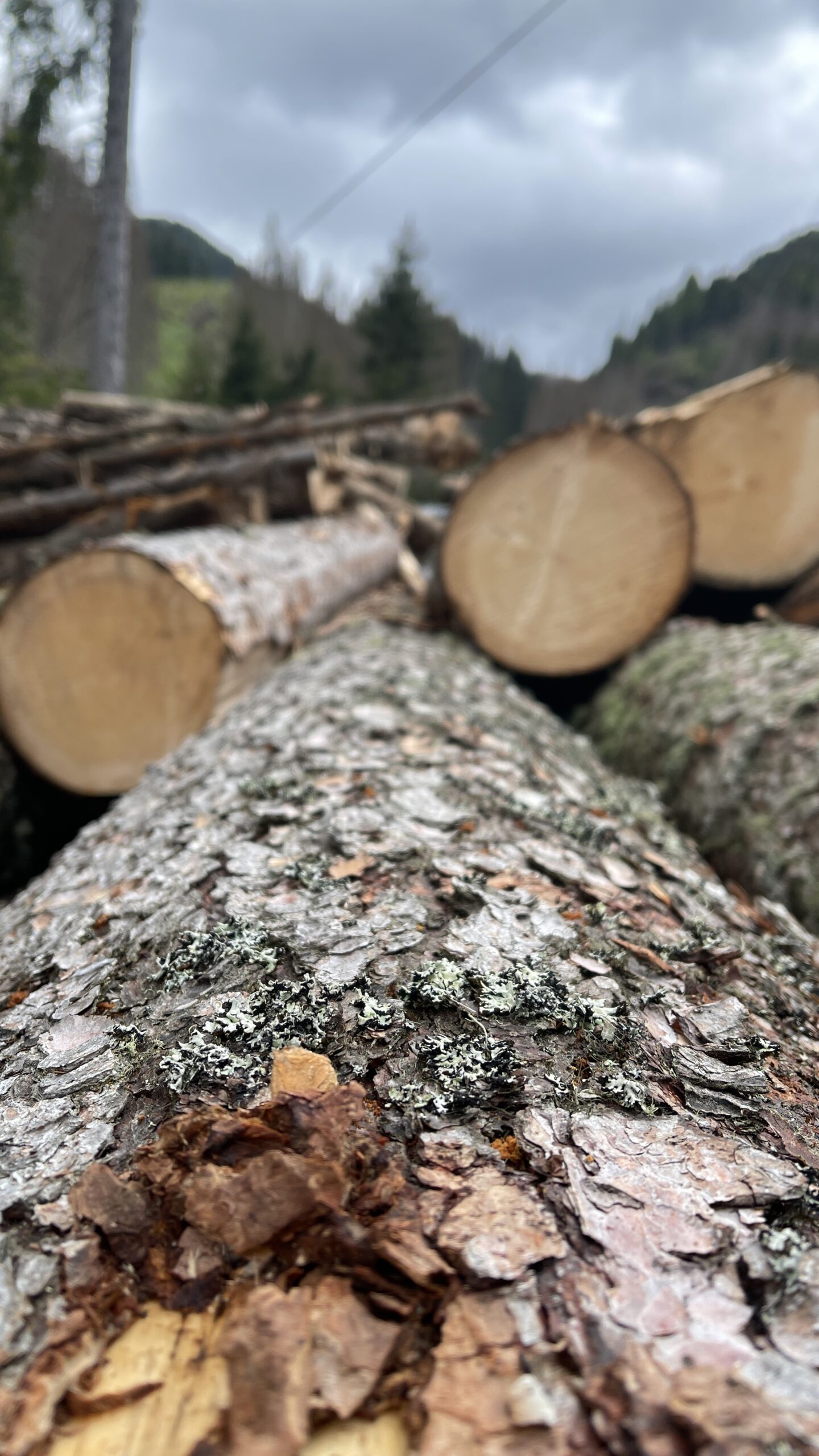
Global warming and rising summer temperatures accelerate the bark beetle’s life cycle, allowing multiple generations to develop in a single season. In addition, storms and droughts, such as those that have affected Alpine forests in recent years, weaken the natural defences of trees, facilitating the spread of the pest. Fallen or damaged trees provide the bark beetle with an ideal environment to proliferate, and without timely intervention, the pest can quickly spread to areas nearby.