close
close

No products in the cart.

Features

Scientific name: Albizia julibrissin
Common name: Persian silk tree

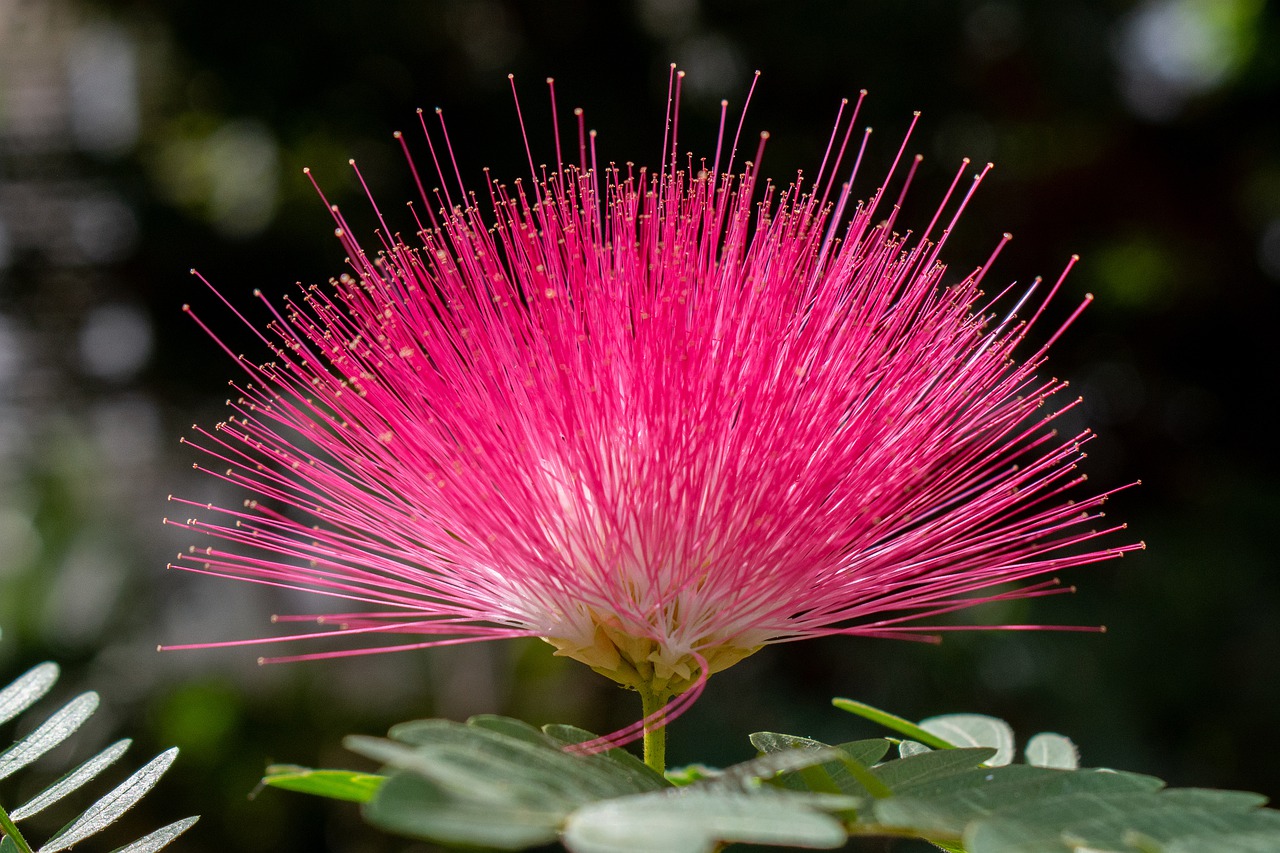
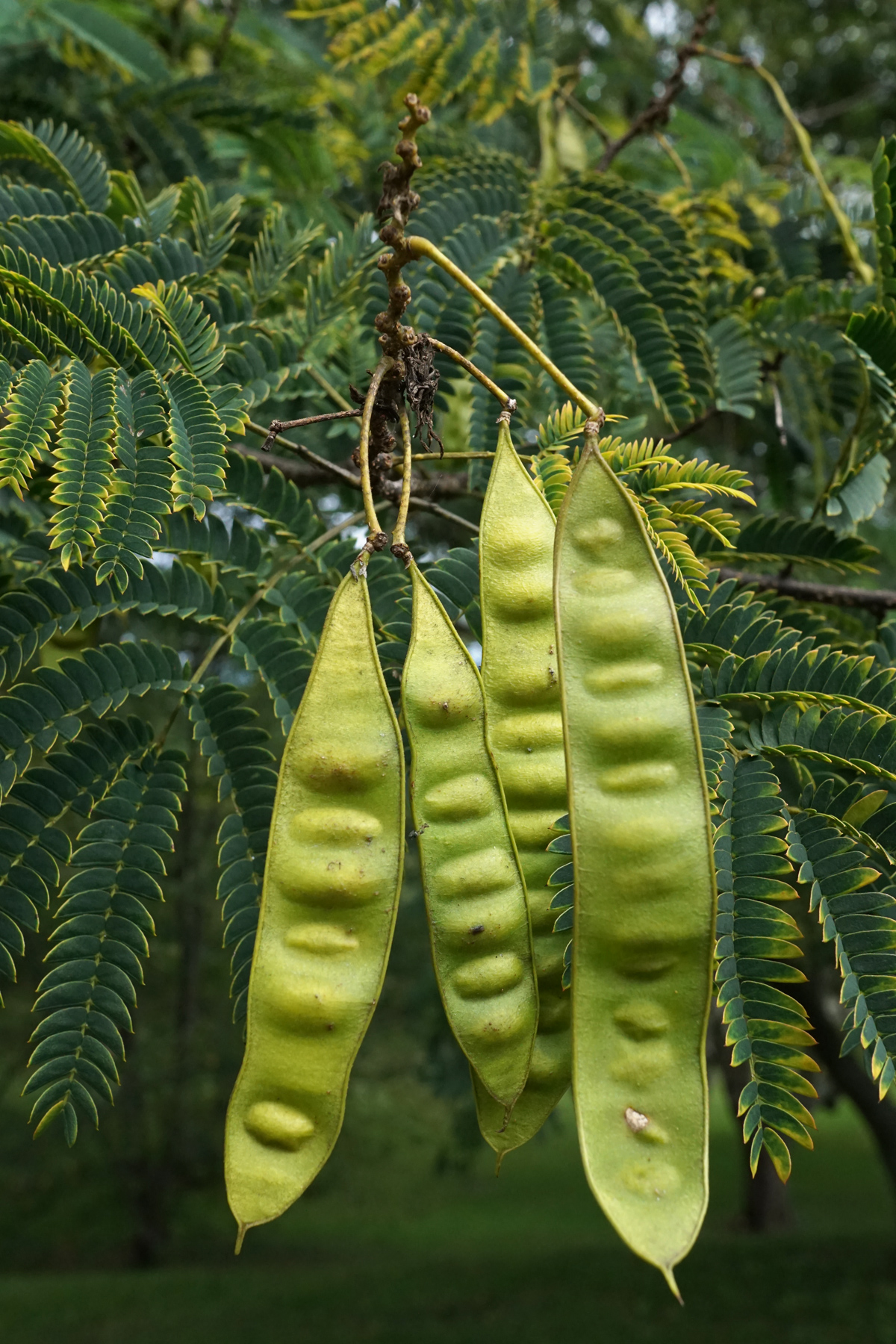
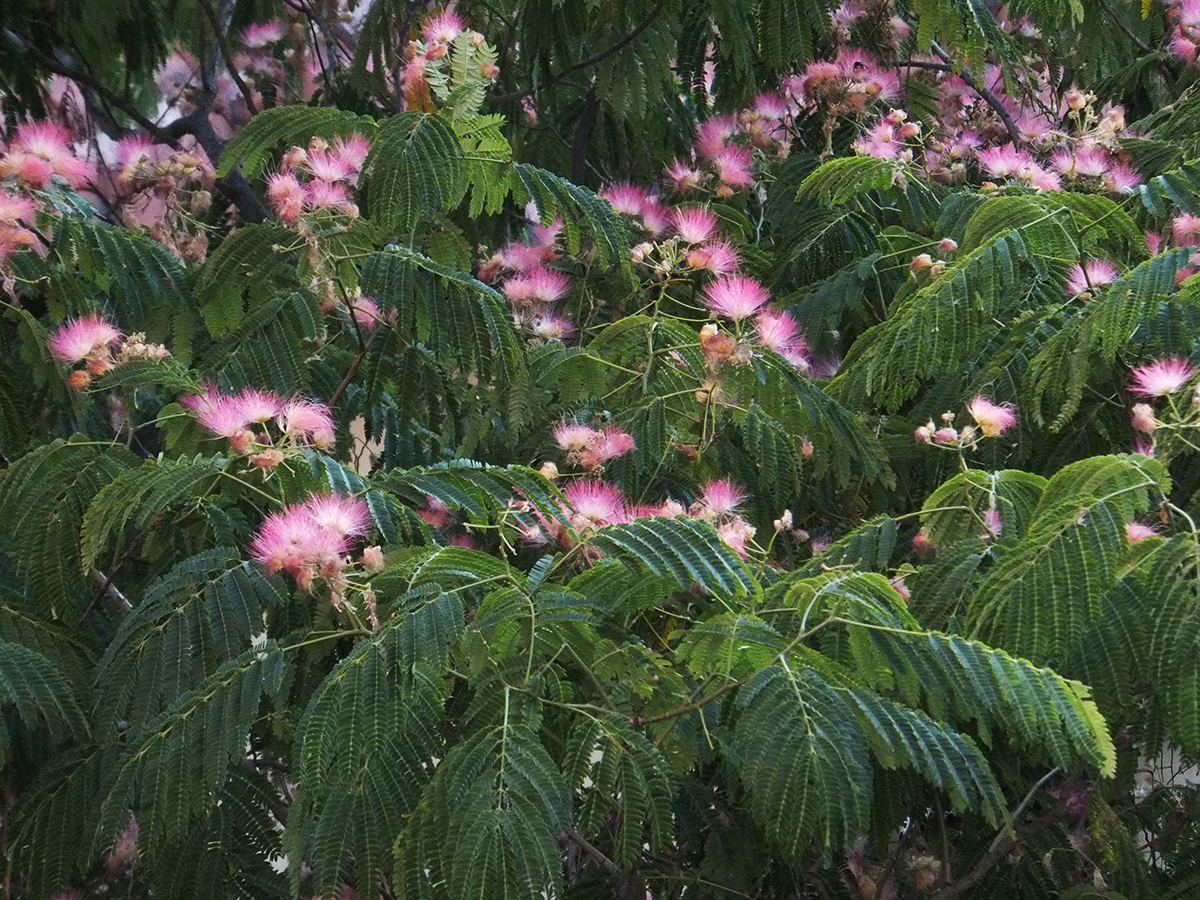
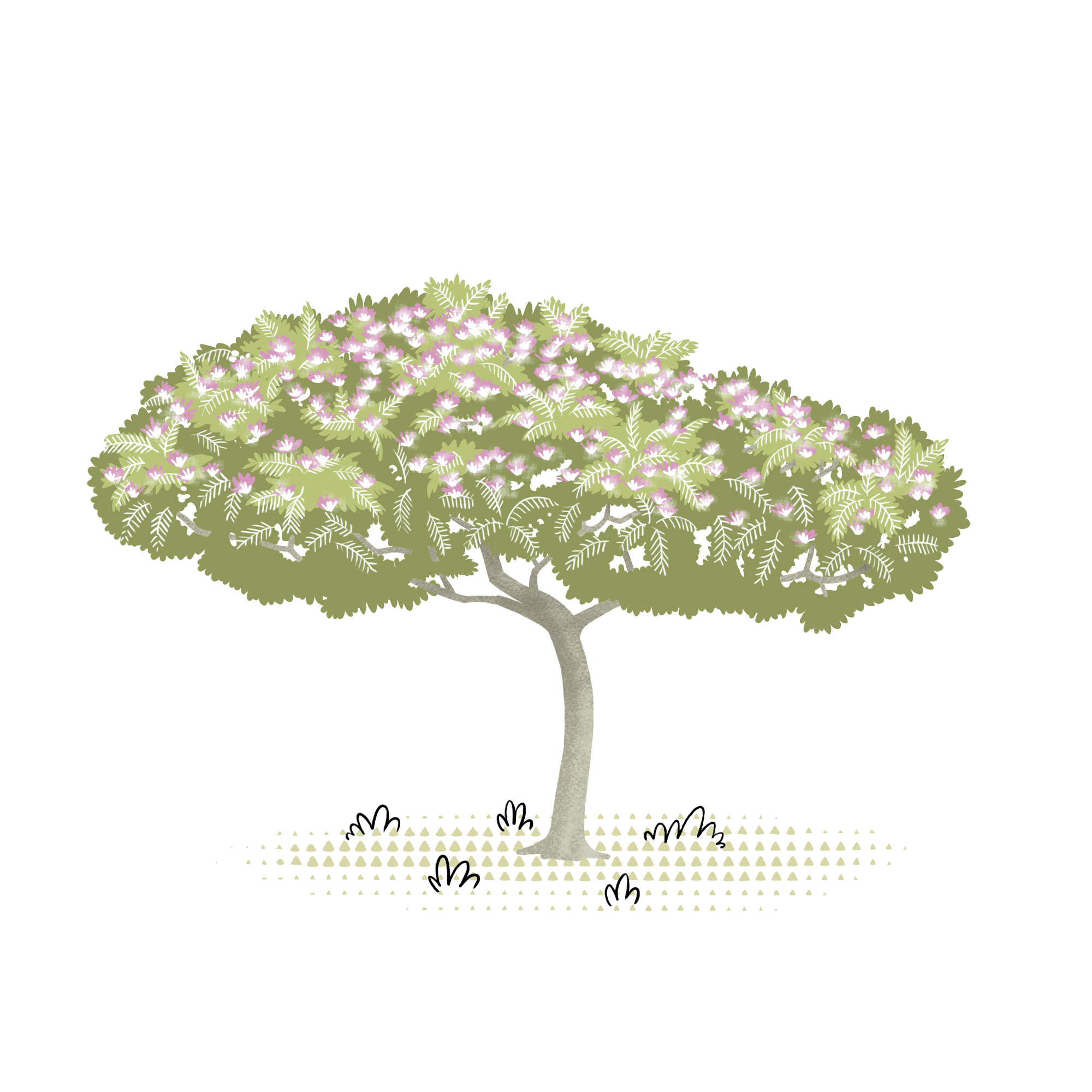
It is a member of the Mimosaceae family. It originally comes from subtrobical Asia and tolerates drought and weak frosts very well. The leaves are composed of several leaf segments, with the ability to fold closed at night or when it rains. Inflorescences appear as small brushes. The fruits can reach 20 cm in length and remain closed and hanging on the tree until winter.

Fun facts

Native to the mild areas of Iran, from there it then spread throughout the Middle East until it came to colonize parts of Turkey. That is why it is also known as the acacia of Constantinople. This plant was brought to Italy by a descendant of the Albizzi family around 1770, and immediately experienced immediate spread.

Properties and Uses

Marked by alluring flowers, also ideal for decorative and ornamental purposes, Silk tree contains high concentrations of saponins, polyphenols and triterpenoids, all of which have an important impact on human health. It is very common, in fact, to find this plant within Indian Ayurvedic remedies as well as in other parts of the world.

Why adopt or gift a Silk tree: what makes it unique

Icona CO2
1.40 Kg

of CO2 captured over a year

Icona altezza albero
6 meters

reachable height

Icona longevità
30 years

maximum life expectancy

Forests where you can grow your own Silk tree, adopting it or giving it as a gift.

Join our community

Do you like trivia about trees and forests, and want to know how you can help create a greener future and help nature?

Sign up for our newsletter!

A couple of times a month you will receive news, scientific insights without catastrophizing, offers to adopt our trees, and news from our projects. With WOWnature, helping the planet becomes a positive experience. Every tree is a step toward a better future.