At WOWnature, we are often asked: “How much CO₂ does a tree absorb?”. Understanding this figure is crucial because carbon dioxide absorption is one of the cornerstones of the fight against climate change. Planting trees through reforestation projects is not merely a symbolic gesture, but a scientific strategy to help offset CO₂ emissions and protect the area’s biodiversity.
What is CO2 and why is it important to absorb it?
Carbon dioxide (CO2) is a gas that occurs naturally in the atmosphere and is essential for life. However, human activities have increased its concentration to critical levels, intensifying the greenhouse effect and accelerating global climate change.
To counteract this phenomenon, trees play a key role through the process of carbon sequestration. In practice, forests act as natural ‘carbon sinks’, removing the gas from the air and storing it for decades or centuries in their roots, trunks or branches. However, whilst trees are very important, they are not simply sponges, but complex organisms within delicate ecosystems.
How do trees absorb CO2?
The driving force behind this absorption is chlorophyll-based photosynthesis. Through their leaves, trees capture solar energy and atmospheric CO2, combining them with water absorbed by their roots. This chemical reaction has two outcomes: on the one hand, the production of oxygen released into the air; on the other, the creation of living matter.
In this process, carbon is converted into sugars that enable the tree to grow and develop. The carbon is thus literally ‘fixed’ within the tree’s physical structure (biomass) throughout its entire life cycle. The more the tree grows, the more carbon it permanently removes from the atmosphere.
How much CO2 does a tree absorb?
It is difficult to give a single figure, but we can provide a reliable scientific reference: under natural conditions, a tree absorbs on average between 20 and 50 kg of CO2 in its first 10 years of life.
Although people often seek a clear and concise answer, it is important to remember that trees’ CO2 absorption is not constant, but varies drastically depending on various technical factors.
Variables affecting CO2 absorption
The amount of carbon dioxide a tree can sequester depends on three main variables:
Tree species: not all trees grow at the same rate. Species with high biomass and wood density (such as oaks or beeches) ensure more stable carbon storage in the long term compared to more tender species.
Age of the tree: young trees have high growth rates and ‘work’ very quickly, but mature trees, being larger in size, act as much larger reservoirs of already sequestered carbon.
Environmental conditions: factors such as climate, soil quality, sunlight exposure and available water directly influence the efficiency of photosynthesis. A tree stressed by drought, for example, will absorb much less CO2.
Why it is important to plant and protect trees
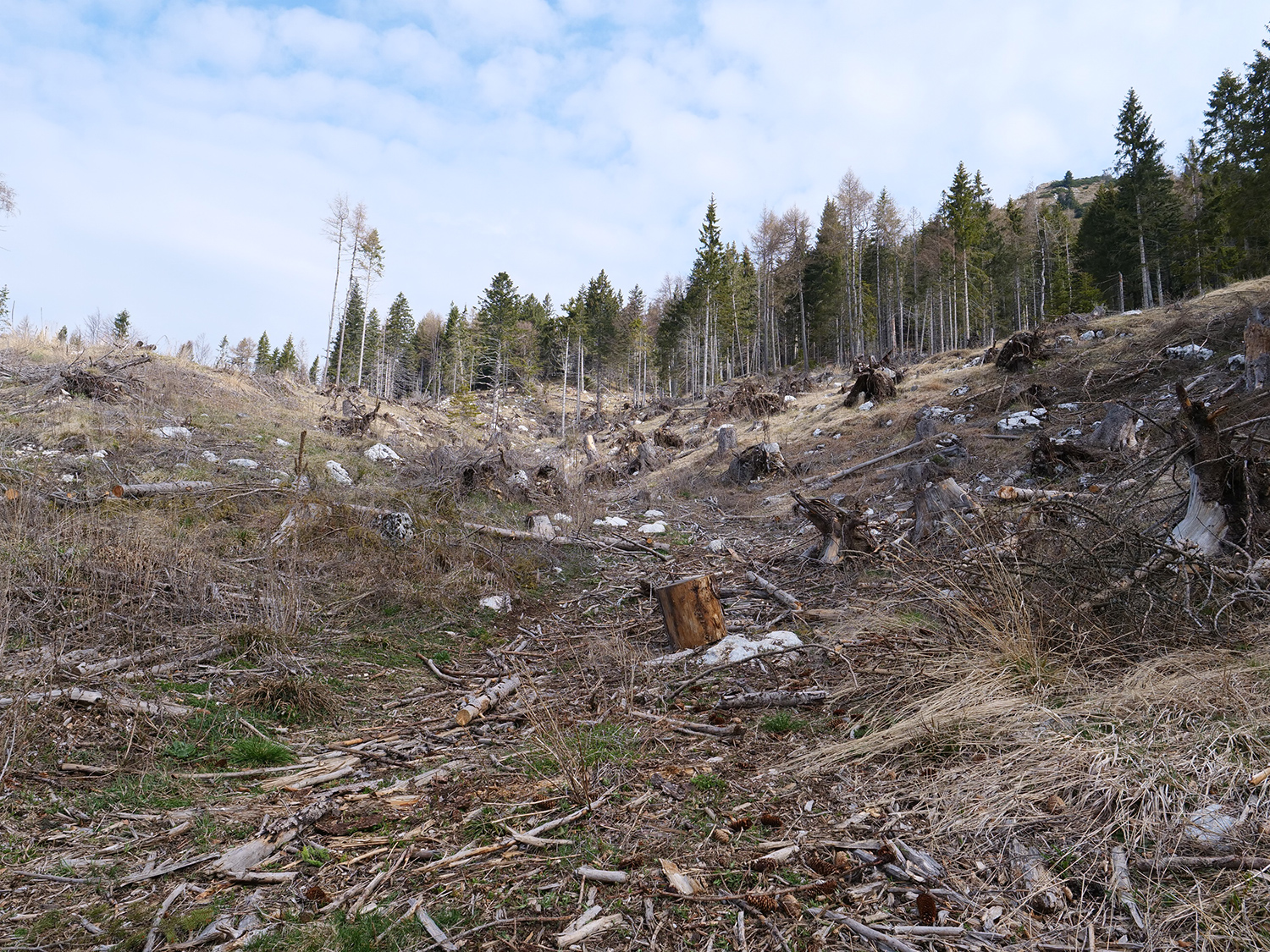
Focusing solely on the rate of absorption can prove dangerous. There are invasive species such as the tree of heaven (Ailanthus altissima) that grow extremely quickly but destroy biodiversity and damage archaeological sites, as is currently happening in Rome at the Aurelian Walls. Similarly, the spruce monocultures in the Dolomites proved vulnerable to storm Vaia and the bark beetle infestation.
For WOWnature, planting trees means creating resilient forests. The environmental benefits of trees go beyond CO2: they protect the soil from erosion, regulate the water cycle and provide shelter for wildlife. Every single tree planted correctly is a vital piece in regenerating the environment.
How much CO2 does a tree absorb?
To find out more about this topic, watch our full video: ‘Which trees capture the most CO2?’. Understanding the difference between growth rate and resilience is the first step towards truly protecting our planet.
Would you like to help us regenerate new forests?
Choose your favourite project on our website, adopt a tree and come to the forest to plant it alongside our team. We look forward to seeing you there.