How much is an ecosystem worth?
The United Nations Environment Programme (UNEP) and the Food and Agriculture Organisation (FAO) list the characteristics and elements that make ecosystems so important, particularly from an economic perspective. For example, forests, mangroves and peatlands absorb up to a third of CO2 emissions, whilst healthy and responsibly managed agricultural land can produce higher-quality crops, enabling us to feed a growing number of people without continuing to deforest the planet to make way for agriculture. Benefits estimated at around 125 trillion dollars, which, according to the FAO, “are not adequately accounted for in economic policies. This means that there is insufficient investment in the protection and management of ecosystems”.
Quantifying the economic value of ecosystems has been one of the most hotly debated topics in recent years and began to feature on international political agendas and in the United Nations’ environmental policies in 2005, when the Millennium Ecosystem Assessment Report was published. The UN Statistics Commission has begun to explore new economic indicators based in part on natural capital, whilst also introducing the concept of Gross Ecosystem Product.
Ecosystems at risk: how can we protect them?
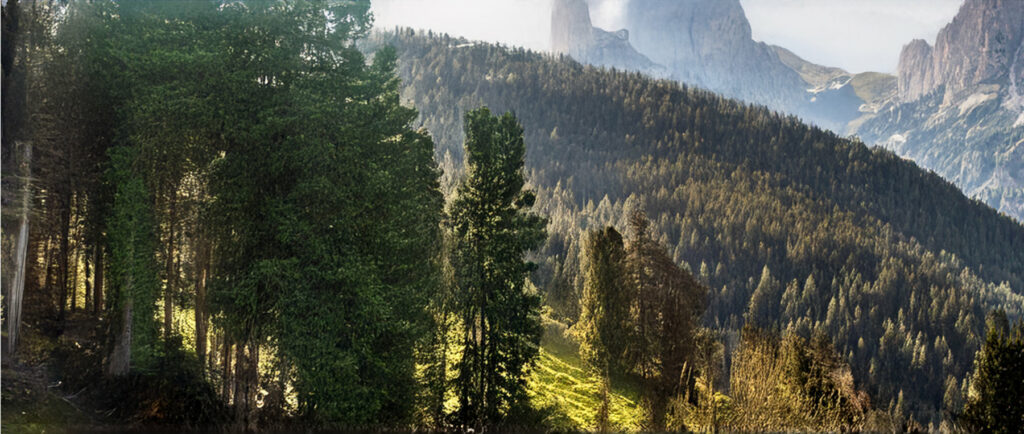
Biodiversity can be defined as the variety of living organisms that inhabit the Earth: animals, plants and microorganisms that interact with one another and provide us with food, materials and fuel; give us purified water and air; prevent soil erosion; act as climate regulators; facilitate pollination; and much more.
Today, the main cause of biodiversity loss is the enormous pressure we exert on the planet, leading us to consume more natural resources than the planet is capable of generating. We transform natural ecosystems into agricultural land and highly urbanised areas, emit pollutants such as CO₂, and plant invasive species that damage habitats and ecosystems. The loss of biodiversity irreparably compromises the quality of our lives: let us remember that we too are part of biodiversity and that we too live within an ecosystem. We are all intimately connected and bear enormous responsibilities towards the planet.
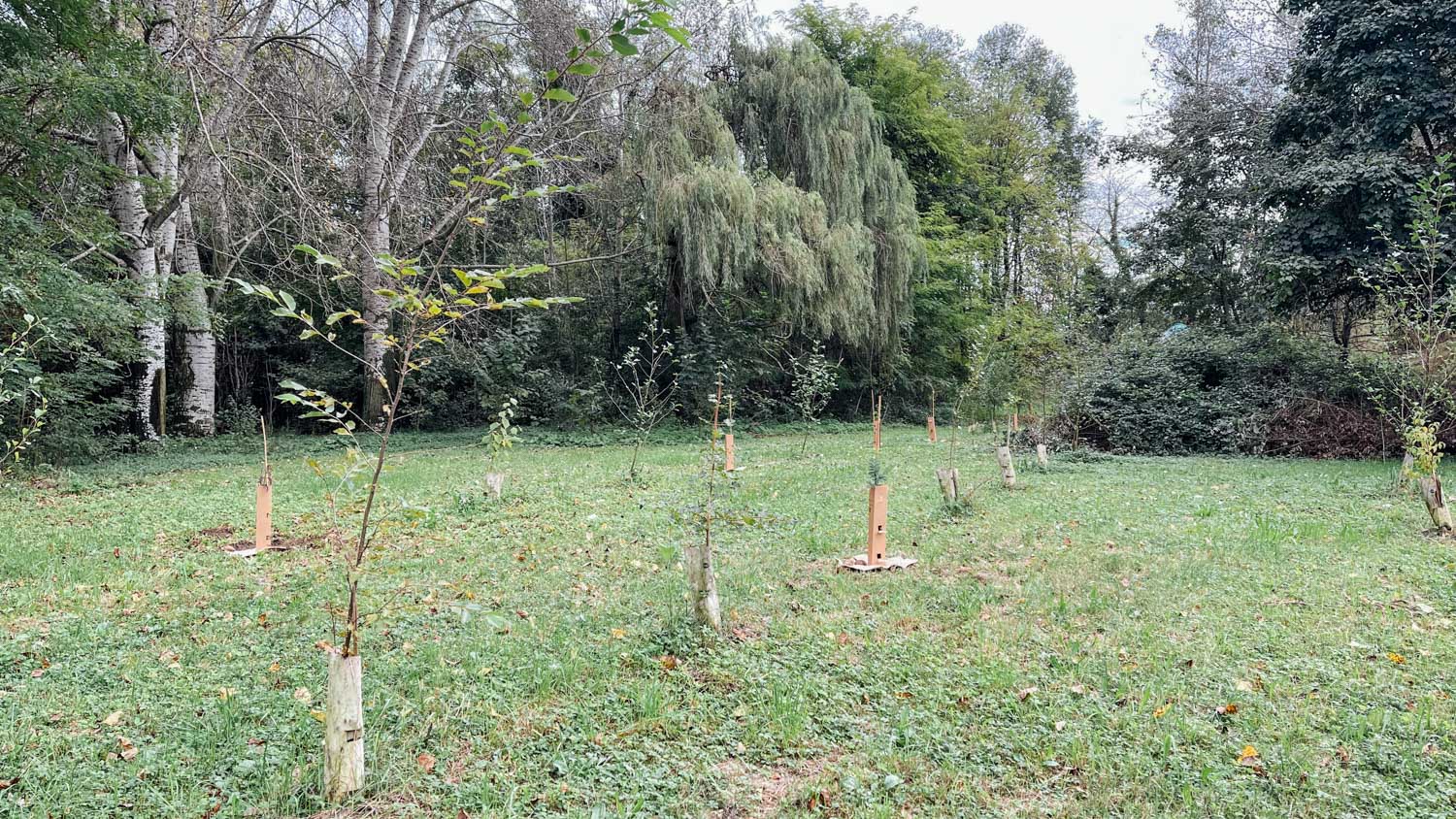
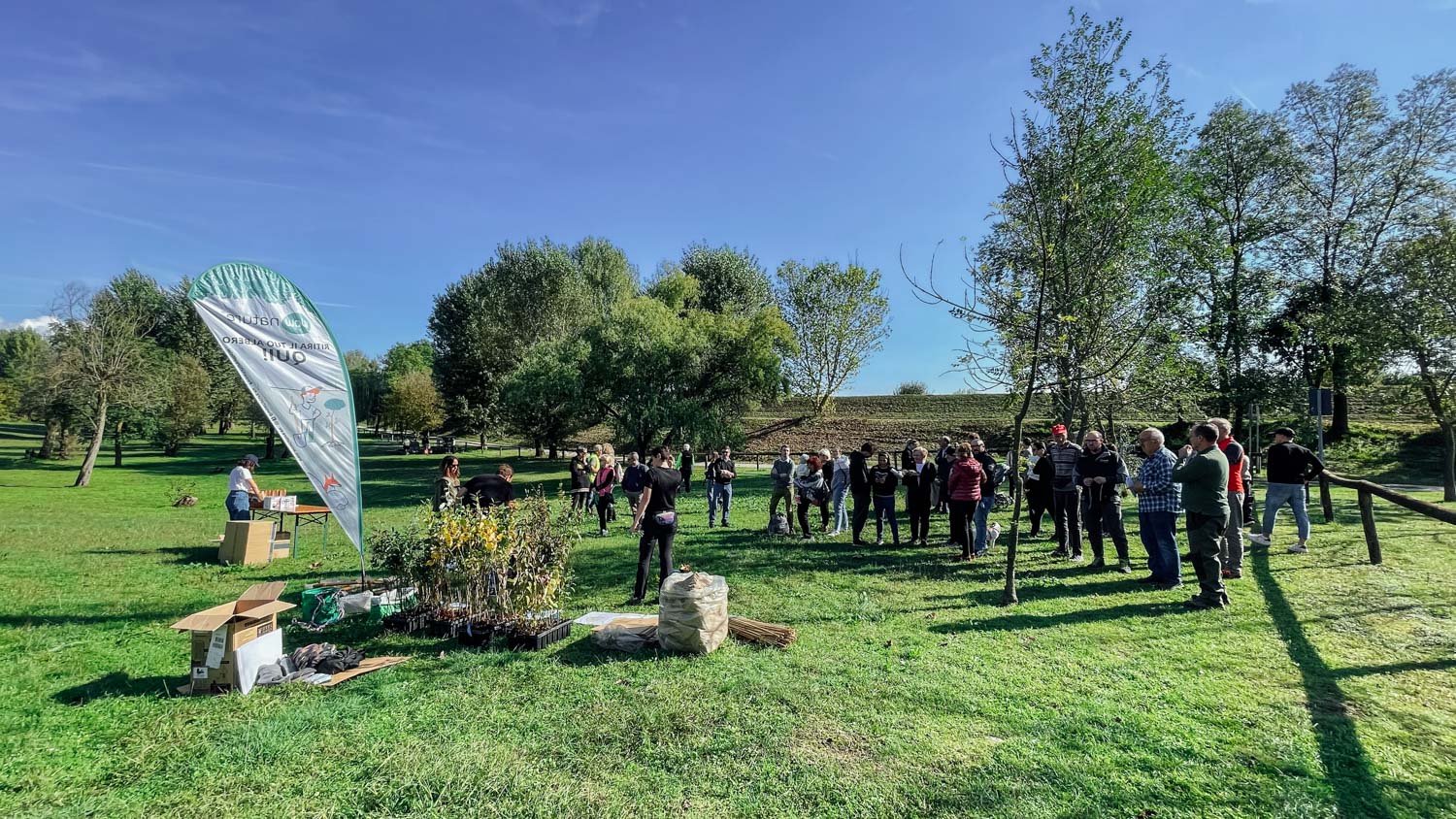
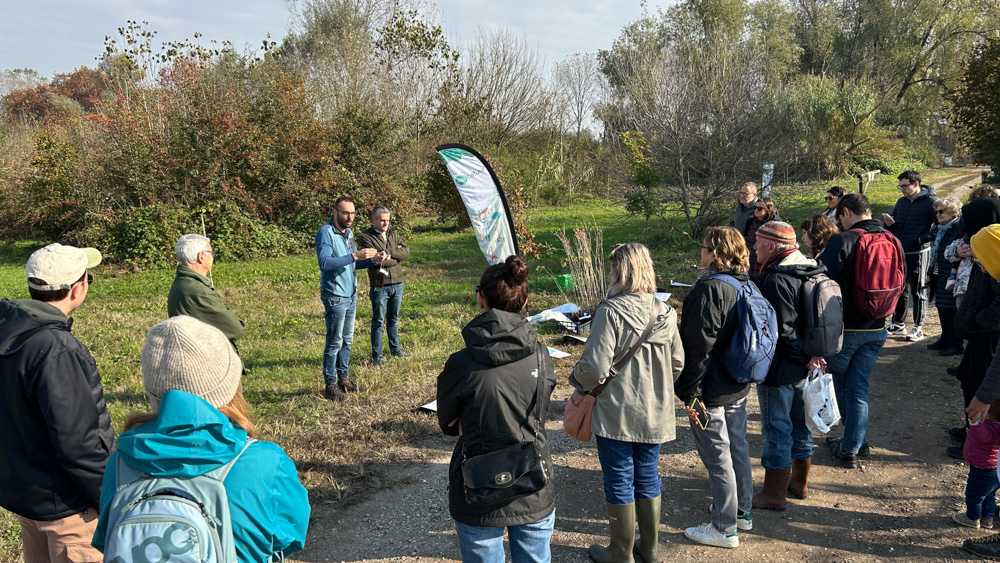
Let’s protect ecosystems by adopting a tree with WOWnature
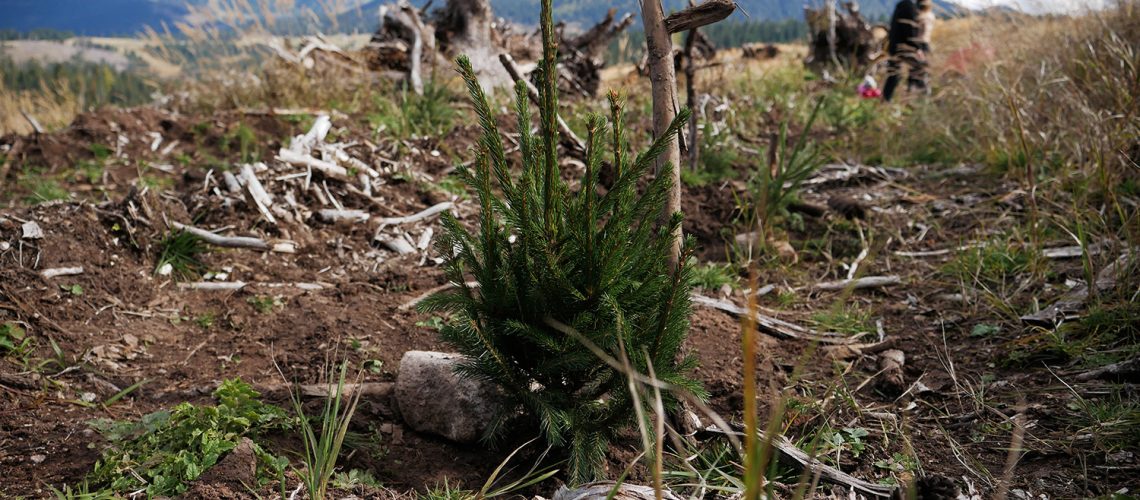
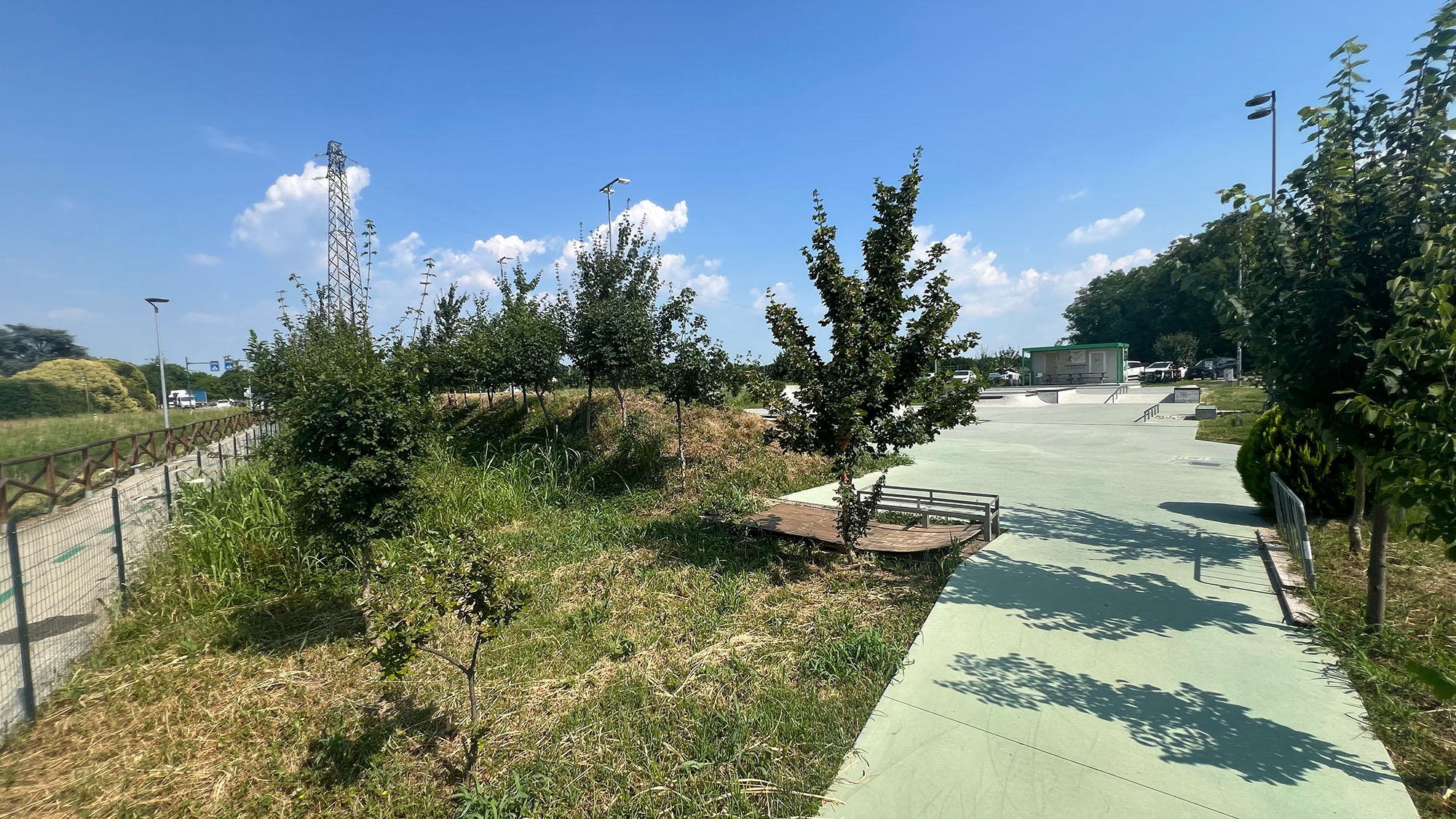
What practical steps can we take to protect ecosystems? Consuming less, consuming more wisely, and changing our consumption and purchasing habits are actions that have a positive impact. But creating new forests and protecting existing ones is also a practical step that can boost our planet’s biodiversity.
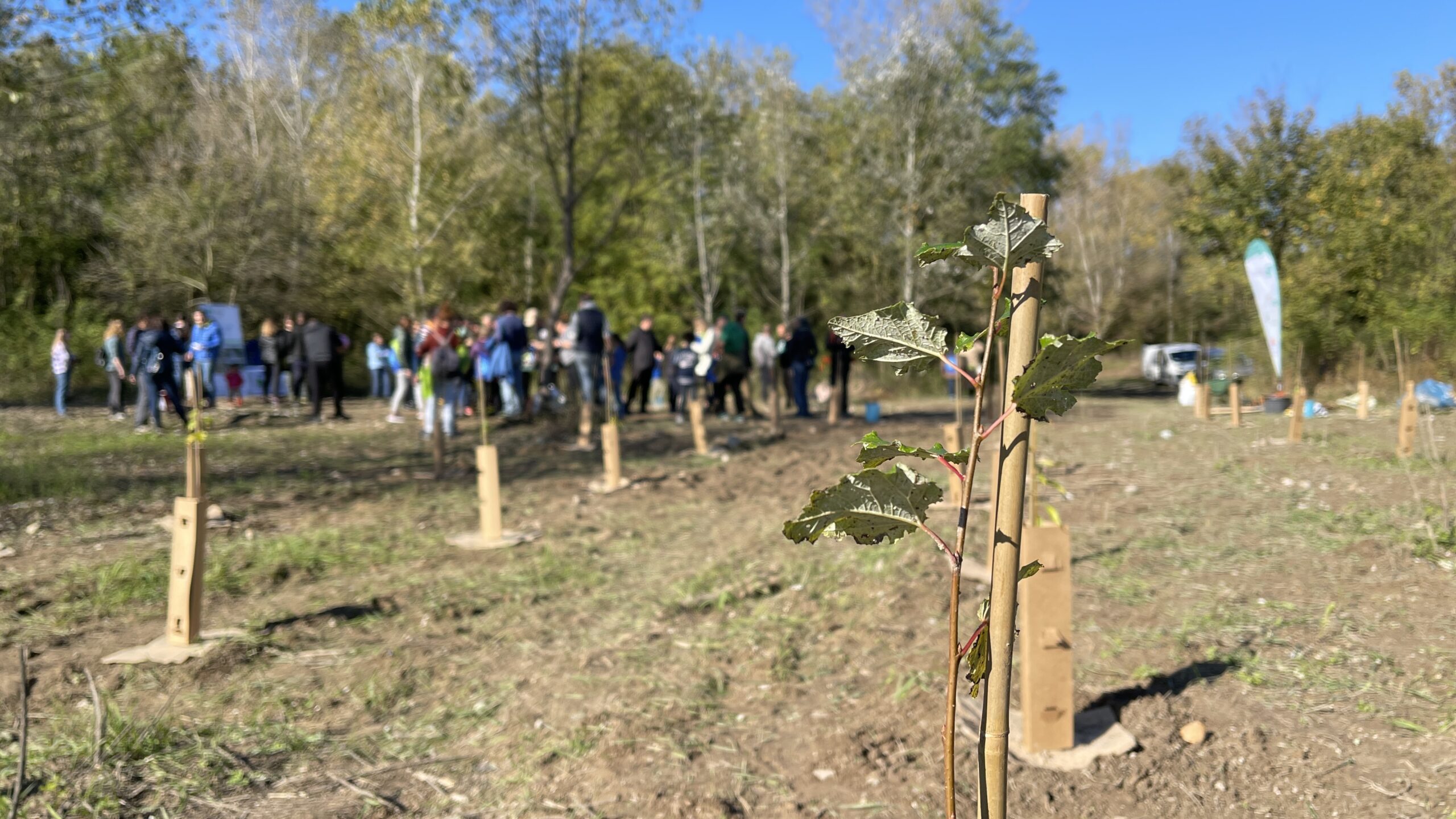
What better way than to take real responsibility for the forests and woodlands we love? For World Environment Day, adopt a tree with WOWnature!