July 2024 – Updates from the Maria Luigia Island forest
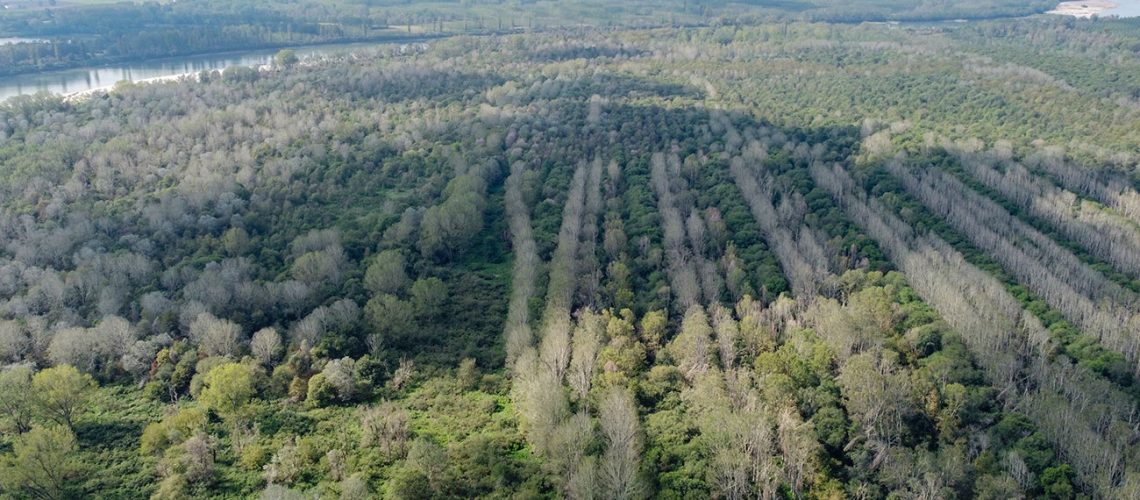
Along the banks of the River Po, in the municipality of Martiniana di Po (CR), the Maria Luigia Island area is facing a critical situation. Monitoring carried out in July 2024, as part of the Bioclima project, has highlighted how past neglect, combined with the devastating effects of the climate crisis, is threatening the survival of this precious forest ecosystem.
Beyond climate stress
The site is home to a plantation planted around twenty years ago, originally intended for timber production and subsequently abandoned. Recent prolonged droughts have caused severe stress to the white poplars, leaving them vulnerable to pest attacks. The result is progressive desiccation: many trees are dying ‘standing up’, risking collapse and damage to the oak and ash trees below, which for years have been suffocated by excessive shade.
The threat of invasive species
A further danger is posed by Amorpha fruticosa, an invasive species that tends to occupy the spaces left vacant by dead trees. This plant creates a degraded scrubland which, in addition to stifling local biodiversity, has virtually no capacity to absorb CO₂ in the long term. Without human intervention, the area risks turning into a expanse of alien species, losing its ecological value forever.
Restoring the area
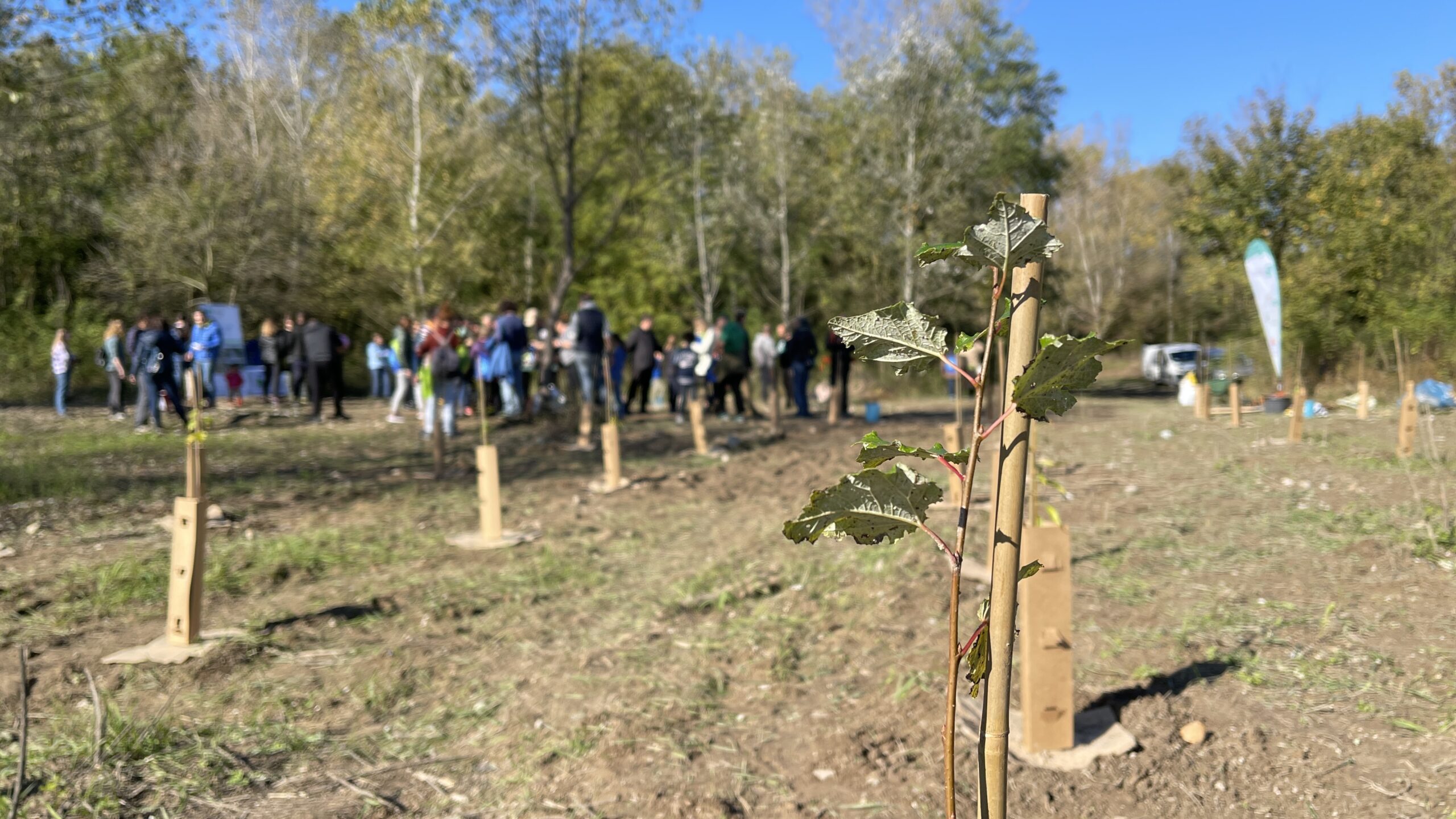
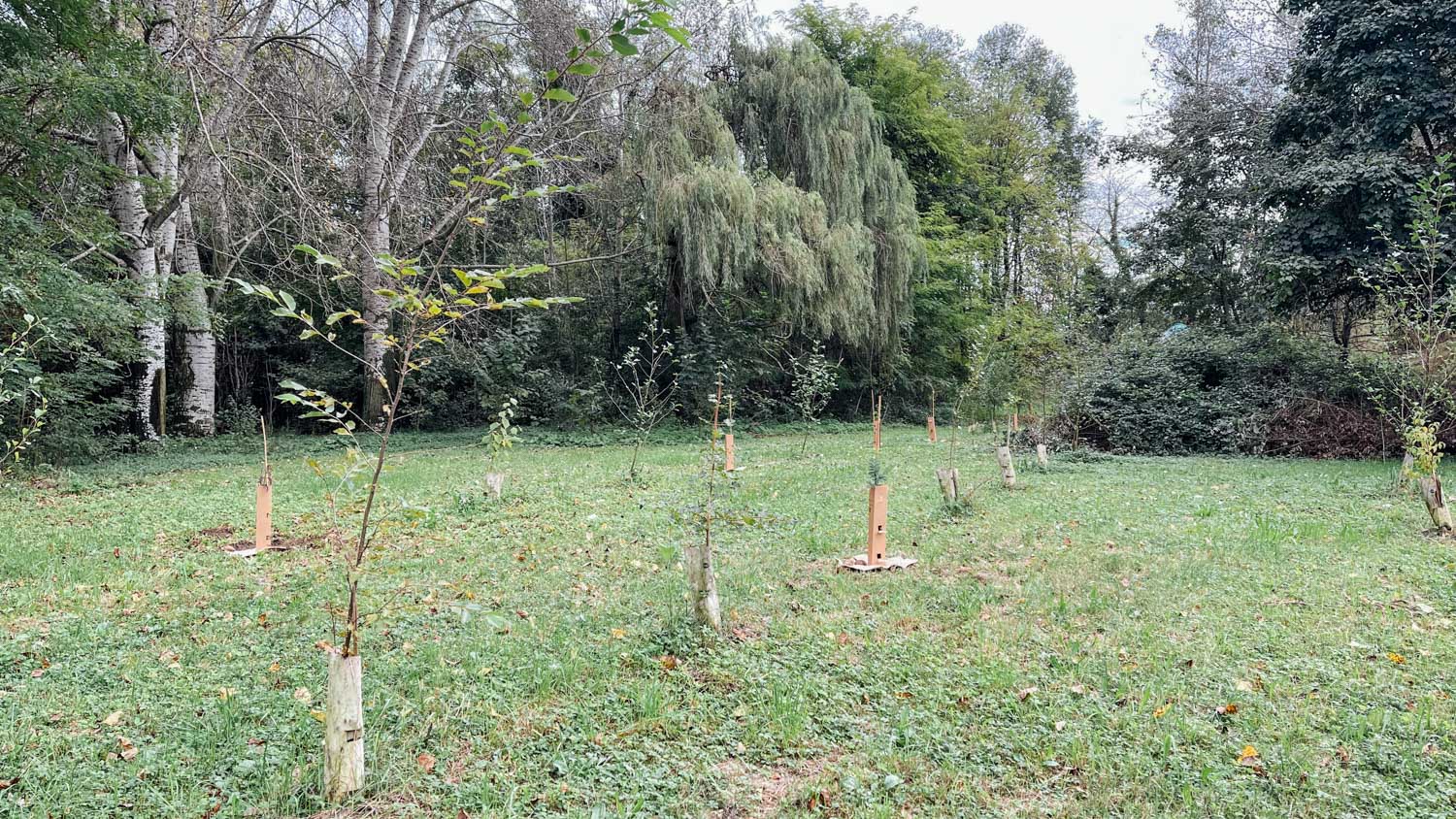
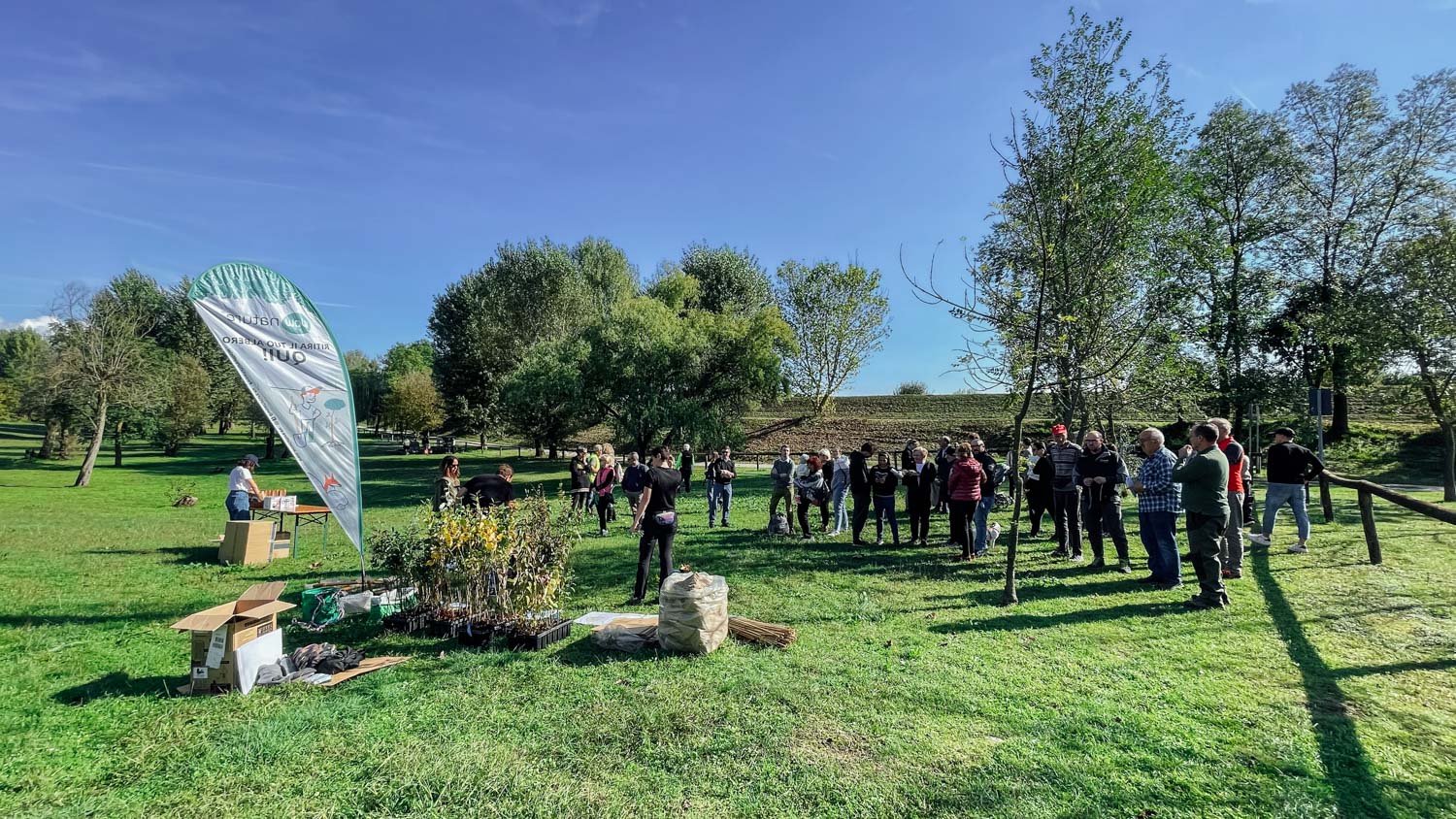
To combat this degradation and protect the willow habitat — an extremely rare ecosystem included in the Natura 2000 network — the project involves targeted and urgent measures. We will remove dead trees and invasive species to allow light to reach the undergrowth again. The core of the operation will be reforestation: we will plant around 400 young willow saplings to rapidly restore the original forest. Through careful and constant maintenance, we will help these new trees to grow healthily, restoring the Po lagoon’s natural capacity for climate mitigation.