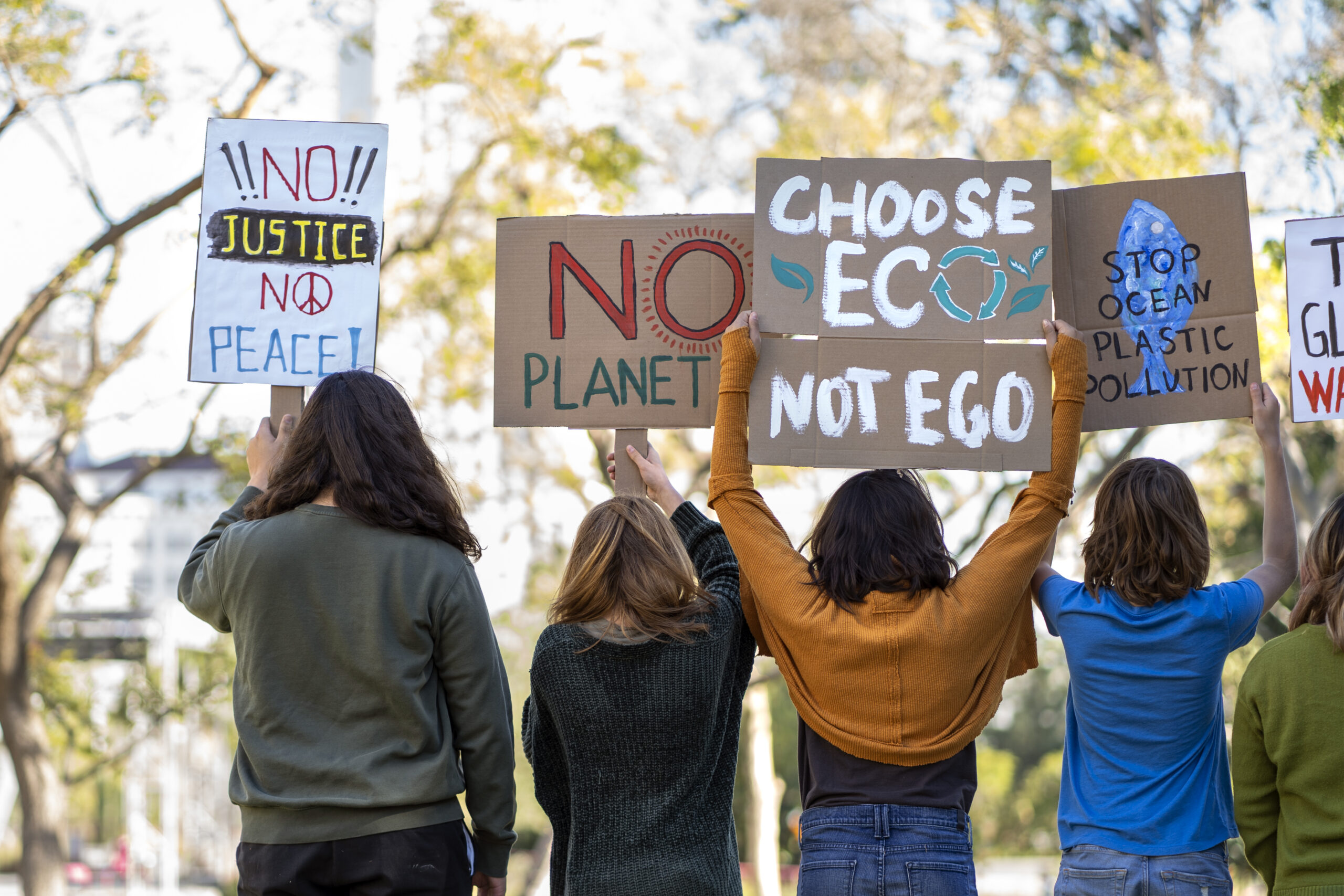
Every year on 22 April, World Earth Day, also known as Earth Day, is celebrated. What is the significance of this anniversary and why is it important? World Earth Day unites member countries and peoples in a moment of awareness towards the protection of our planet’s resources and natural heritage.
22 April has been chosen as the date for World Earth Day since its inception. Although it is a day of celebration and awareness, it reminds us that caring for the Earth begins every day, through our choices and actions. It is a time to reflect on the impact of human activities and to reaffirm our commitment to restoring balance between ourselves and the planet.
Origin and history of World Earth Day
World Earth Day originated from the environmental movements that spread across the United States in the 1960s, alongside protests against the Vietnam War. In 1962, Rachel Carson’s manifesto Silent Spring became a symbol of the new awareness of environmental protection.
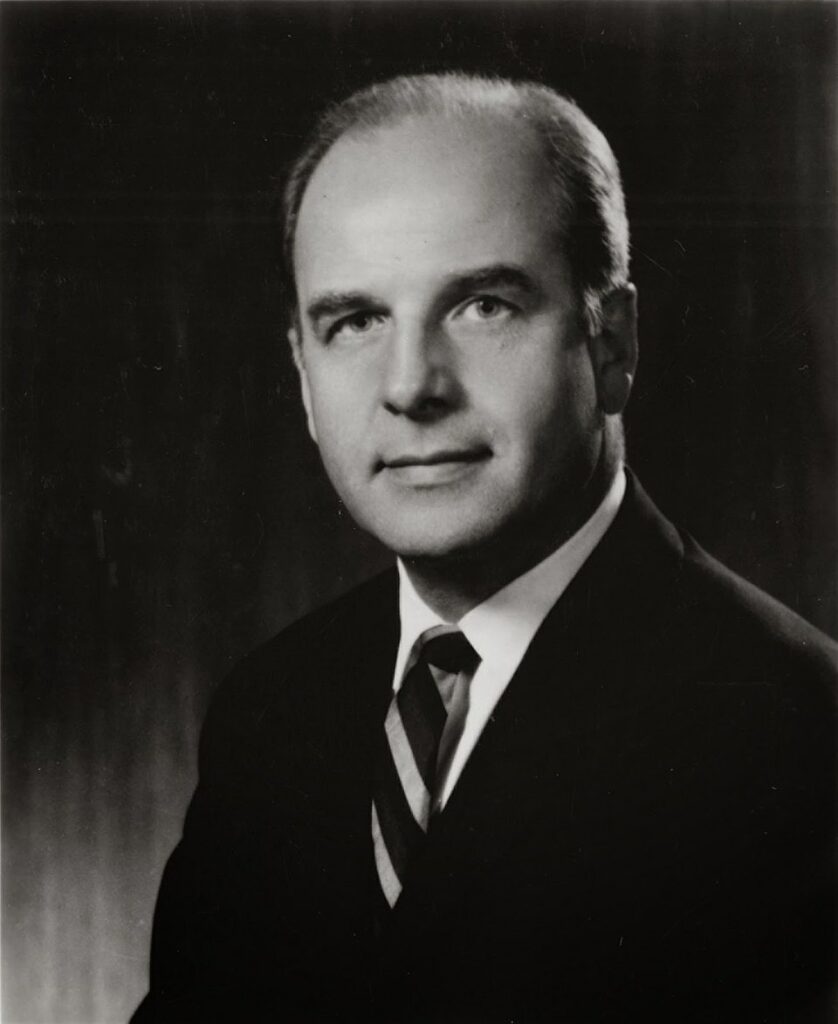
Wisconsin Senator Gaylord Nelson was one of the movement’s leading promoters and organised a series of university seminars on environmental issues, involving activist Danis Hayes.
In 1969, the disaster caused by an oil spill from a Union Oilwell off the coast of Santa Barbara received widespread media coverage and increased public awareness. From there, the environmental movement led by Hayes expanded far beyond the initial seminars. On 22 April 1970, a historic moment arrived: a mass mobilisation involving some 20 million US citizens — 10% of the population at the time — against pollution, habitat loss and the extinction of numerous species.
It was an extraordinary success that led, in the 1970s, to new environmental laws and a change in the political agenda in the United States.
Since then, World Earth Day has spread internationally, helping to create the cultural basis for a global paradigm shift, also recognised by agreements such as the Paris Agreement. The United Nations (UN)and other institutions actively support it, highlighting its central role in the debate on the future of the planet. Today, the anniversary is celebrated in 193 countries and involves over a billion people worldwide.
Gaylord Nelson Senator
Why World Earth Day is so important
World Earth Day is a global event that focuses on the major environmental challenges of our time. It is not just a celebration, but a movement that for years has aimed to inform and raise awareness among people and promote concrete actions for change, pushing companies, governments and citizens to adopt and demand more sustainable and environmentally responsible solutions, policies, products and services.
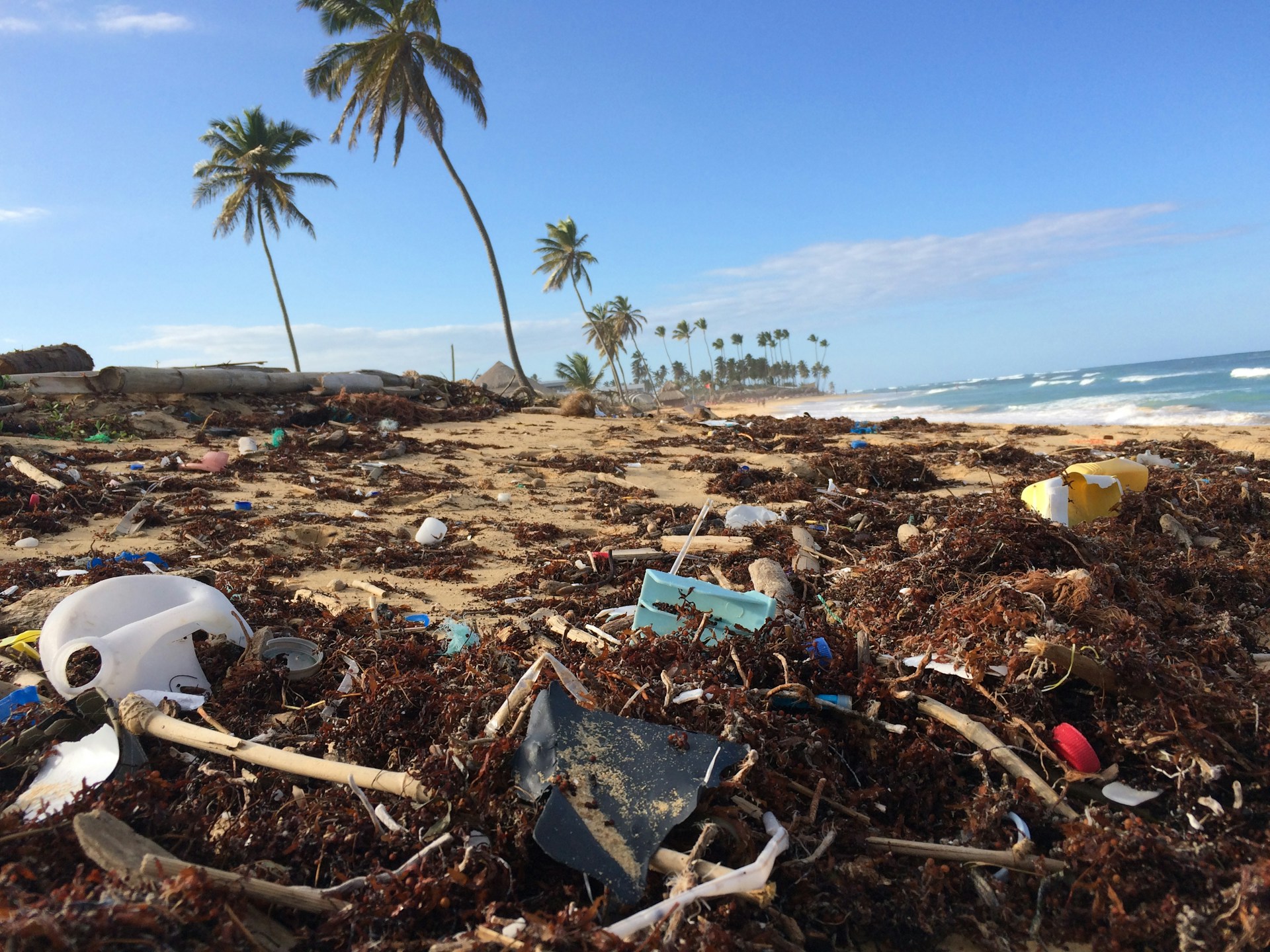
The themes at the heart of this day are all closely linked: CO2 emissions, which alter the planet’s climate; deforestation, which reduces the ability of ecosystems to absorb carbon; air, water and soil pollution; and the rapid loss of biodiversity, i.e. the decline in the number and variety of living species, climate justice and rising sea levels. These phenomena represent some of the main ecological pressures identified by the international scientific community.
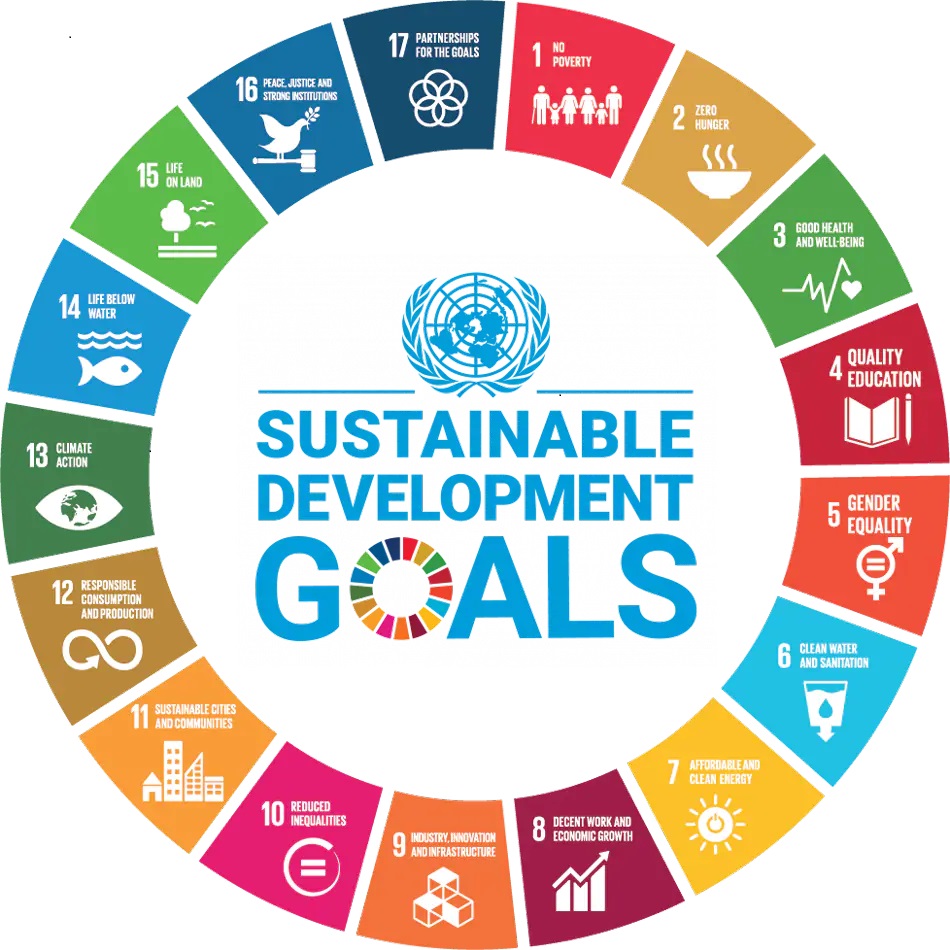
Earth Day is also a key moment to remember the link with the United Nations 2030 Agenda and the Sustainable Development Goals (SDGs). In particular, it draws attention to goals such as climate action (SDG 13), marine ecosystem protection (SDG 14) and the protection of life on earth (SDG 15). These goals guide environmental policies and help build a shared vision for a more equitable and sustainable future.
World Earth Day is supported by organisations that play a decisive role in defining global priorities and strategies. The Earth Day Network coordinates thousands of initiatives around the world; the IPCC, the Intergovernmental Panel on Climate Change, provides the scientific data that guides the most important decisions; and youth movements, with activists such as Greta Thunberg, remind us that the climate crisis is a matter of utmost urgency and requires immediate action.
Celebrating World Earth Day therefore means recognising the complexity of environmental challenges, but also our collective ability to bring about real change.
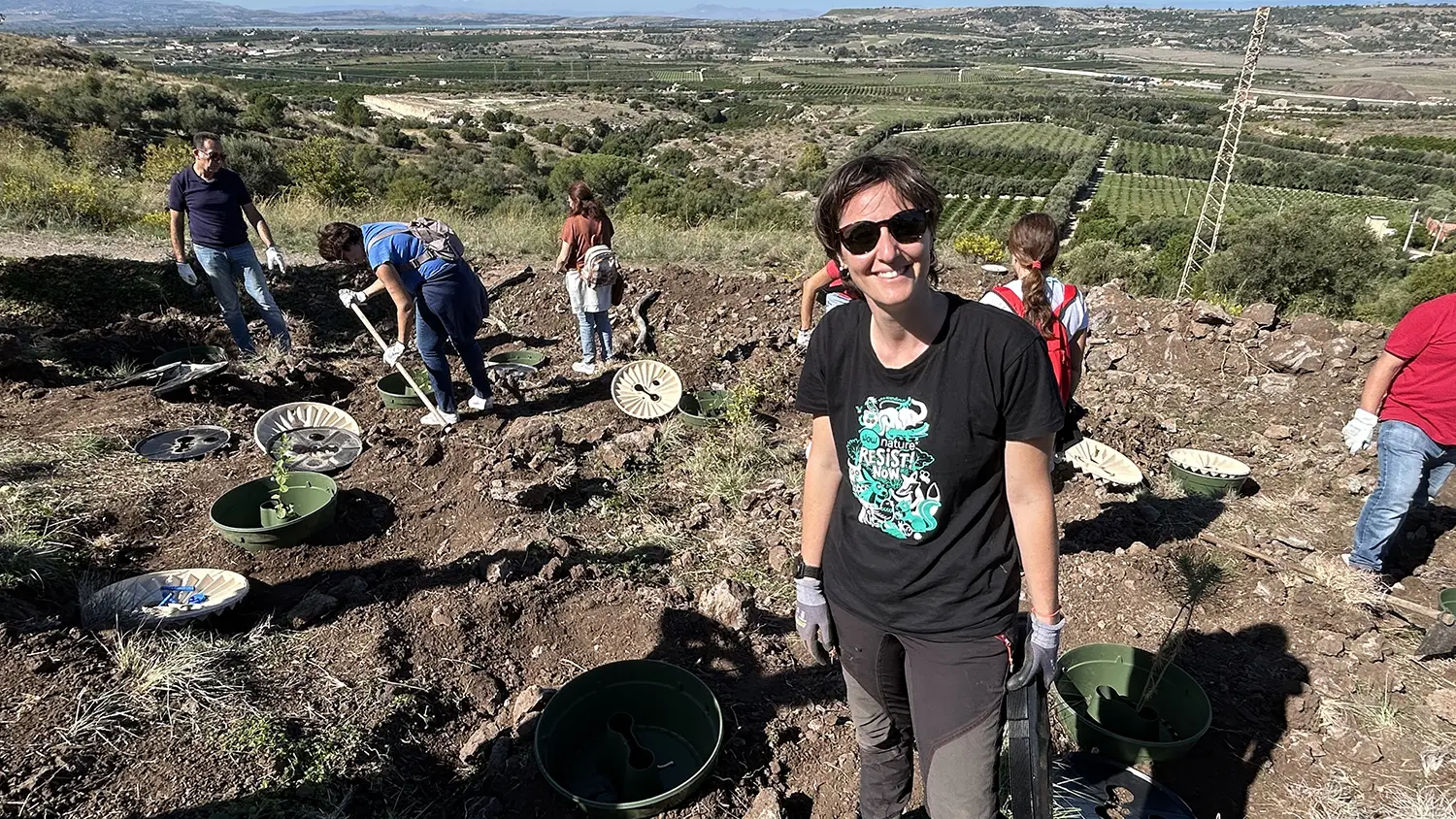
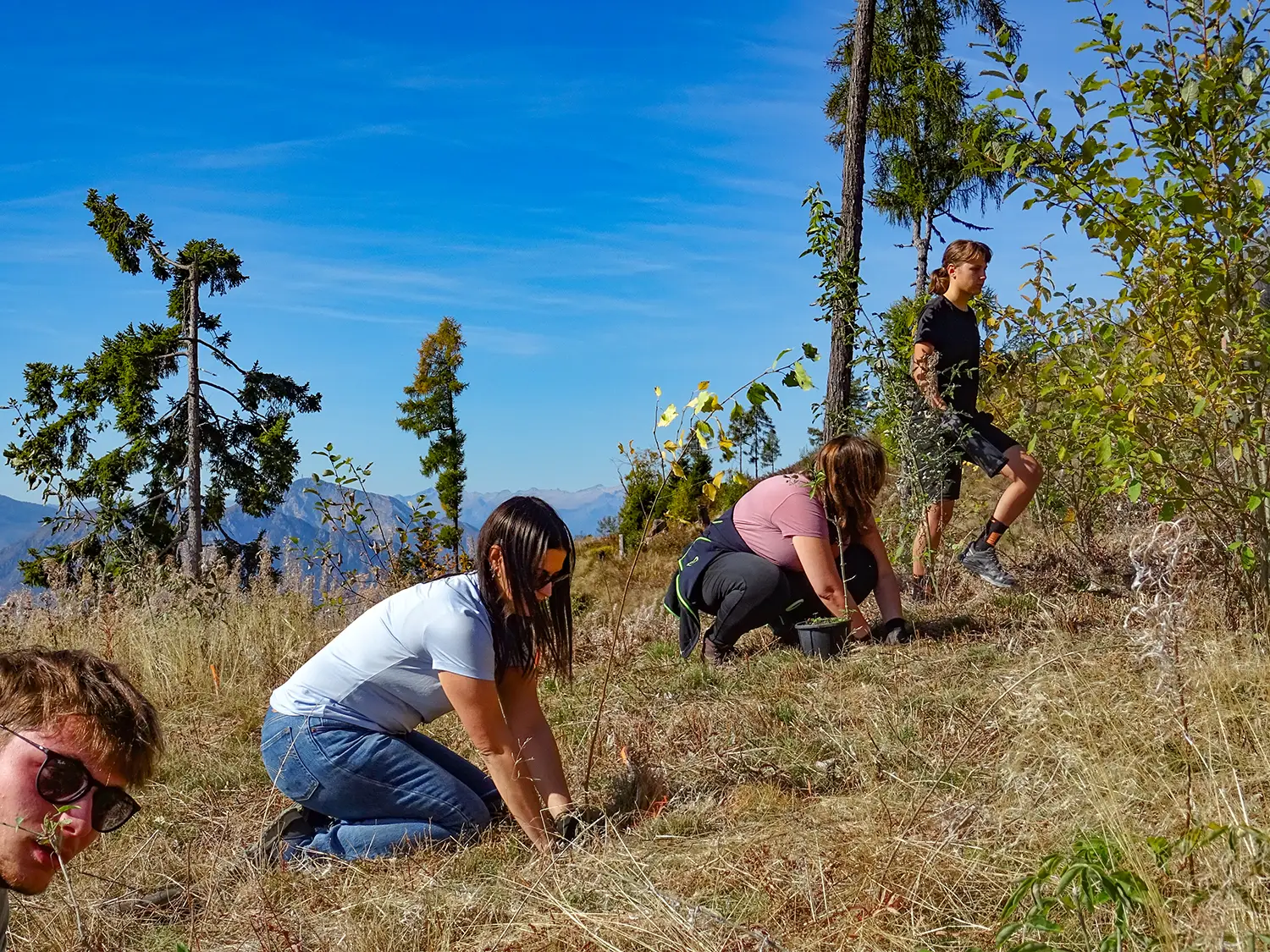
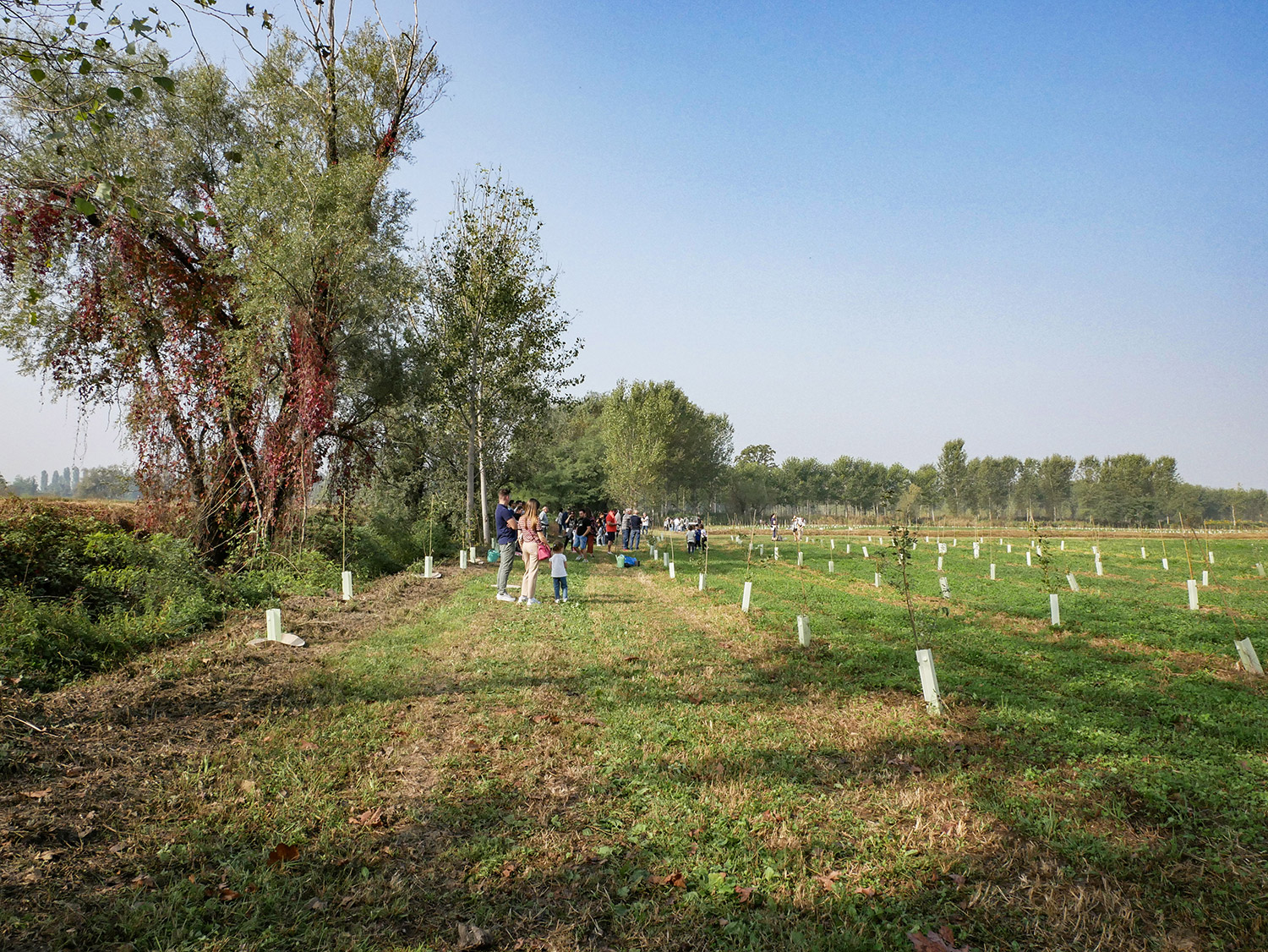
Every day, we can contribute to creating a different and better future. Through our individual choices, purchases, lifestyles and participation as citizens in public life, we can make a difference.
It is easy and automatic to think that our individual behaviour has no impact on a global scale, but even through small actions, we are not only contributing but also sending a message to those around us. Sometimes, actions speak louder than words, and so demonstrating and sharing our choices is an effective way to engage our circle of relationships.
How can we do our part? Here are some suggestions:
Reduce the waste you produce by consuming less, choosing products with a low environmental impact, recycling properly and reusing or repairing when possible.
Reduce your consumption of energy and resources such as water, and when you use them, do so responsibly, avoiding waste as much as possible.
Choose renewable energy suppliers for your home.
Choose sustainable forms of transport, public transport, cycling or solutions that allow you to reduce emissions.