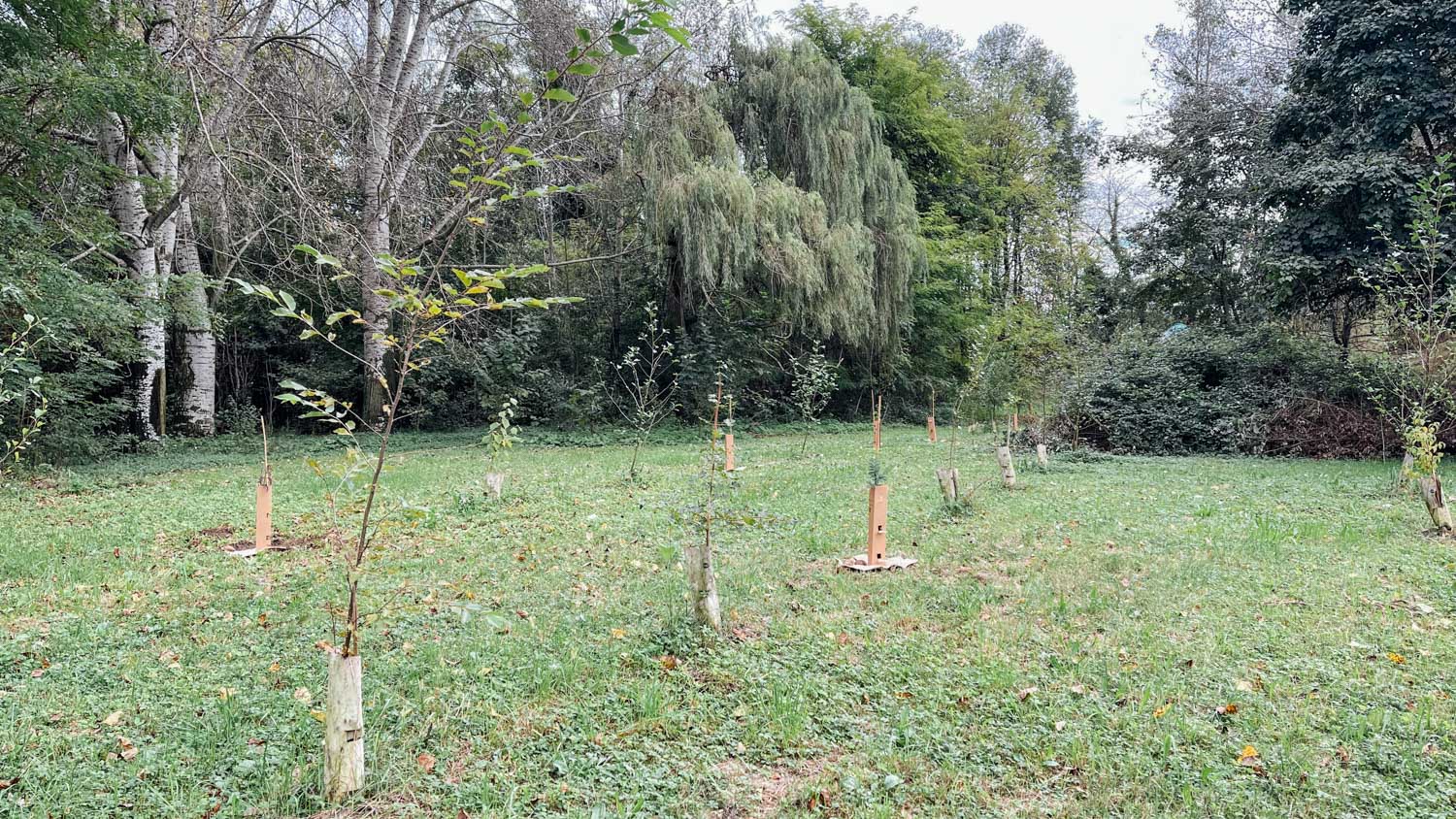
Four years on from the initial work, the area is no longer just a forestry site, but an ecosystem that is demonstrating its full capacity to actively defend against erosion and wave action.
Exceeding expectations
Monitoring this spring has revealed surprising data: the plants planted in 2022 have shown accelerated growth, with tamarisk specimens already reaching heights of 3–4 metres. This exceptional development is aided by the specific conditions of the site where, thanks to freshwater pools, the plants have found an ideal habitat, far exceeding the typical growth rates of the species in brackish environments.
The consolidation of the banks
The aim of ‘consolidating nature’ is now visible to the naked eye. The tamarisk trees are not only growing in height, but are structuring the soil with their root systems. This has triggered a positive domino effect: the creation of a protected forest environment has allowed the spontaneous colonisation of native grasses and shrubs. The result is a multi-layered embankment, much more resilient and rich in biodiversity, capable of ensuring long-lasting protection.
Five years of care: the key to success
The secret behind these results lies in consistency. A lagoon forest is not just about planting: our strategy involves a five-year maintenance plan that includes mowing, emergency watering and targeted replacements. It is this dedication, combined with the constant support of citizens and businesses who continue to adopt new trees, that transforms an environmental investment into a permanent natural barrier against the climate crisis.
Watch the update video
April 2025 – Updates from the Lio Piccolo forest
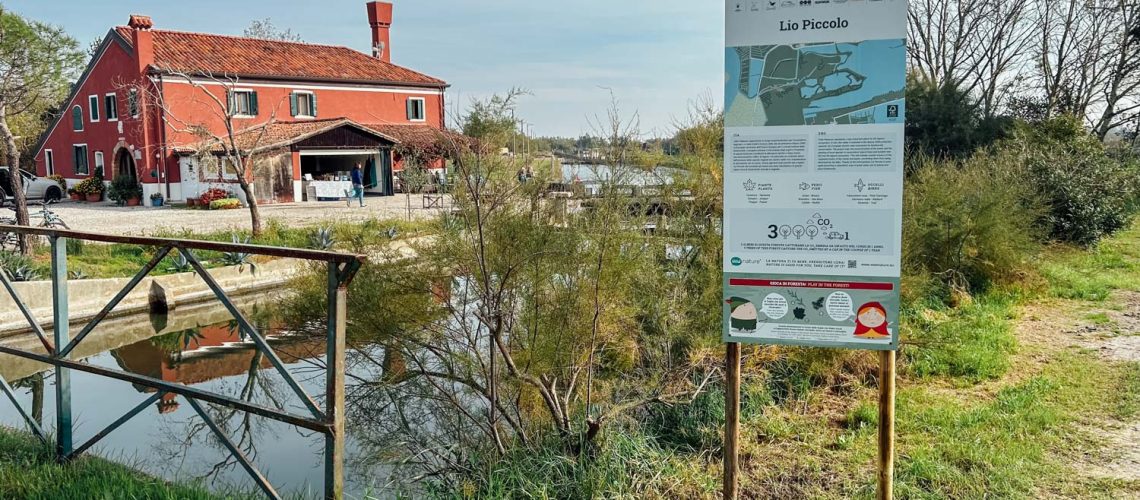
In the heart of Venice’s northern lagoon, WOWnature’s reforestation project in Lio Piccolo continues. In this extraordinary area, part of the Natura 2000 network, we are building a natural barrier against erosion and climate change, plant by plant.
An ecosystem to protect
Since 2022, we have planted over 20,000 trees and shrubs along the embankments of the Valle Paleazza. Here, species such as tamarisk play a key role: they consolidate the soil, slow down erosion caused by the tides and create microhabitats for fish, birds and other wildlife.
Constant monitoring and maintenance
During our last boat trip, we monitored the condition of the plants already planted and assessed their survival after the winter. The results are positive thanks to careful management of the site. The trees have survived the cold season well and show a good degree of rooting. The maintenance activities carried out each year by the valley manager are essential to ensure the long-term success of the project.
A shared commitment
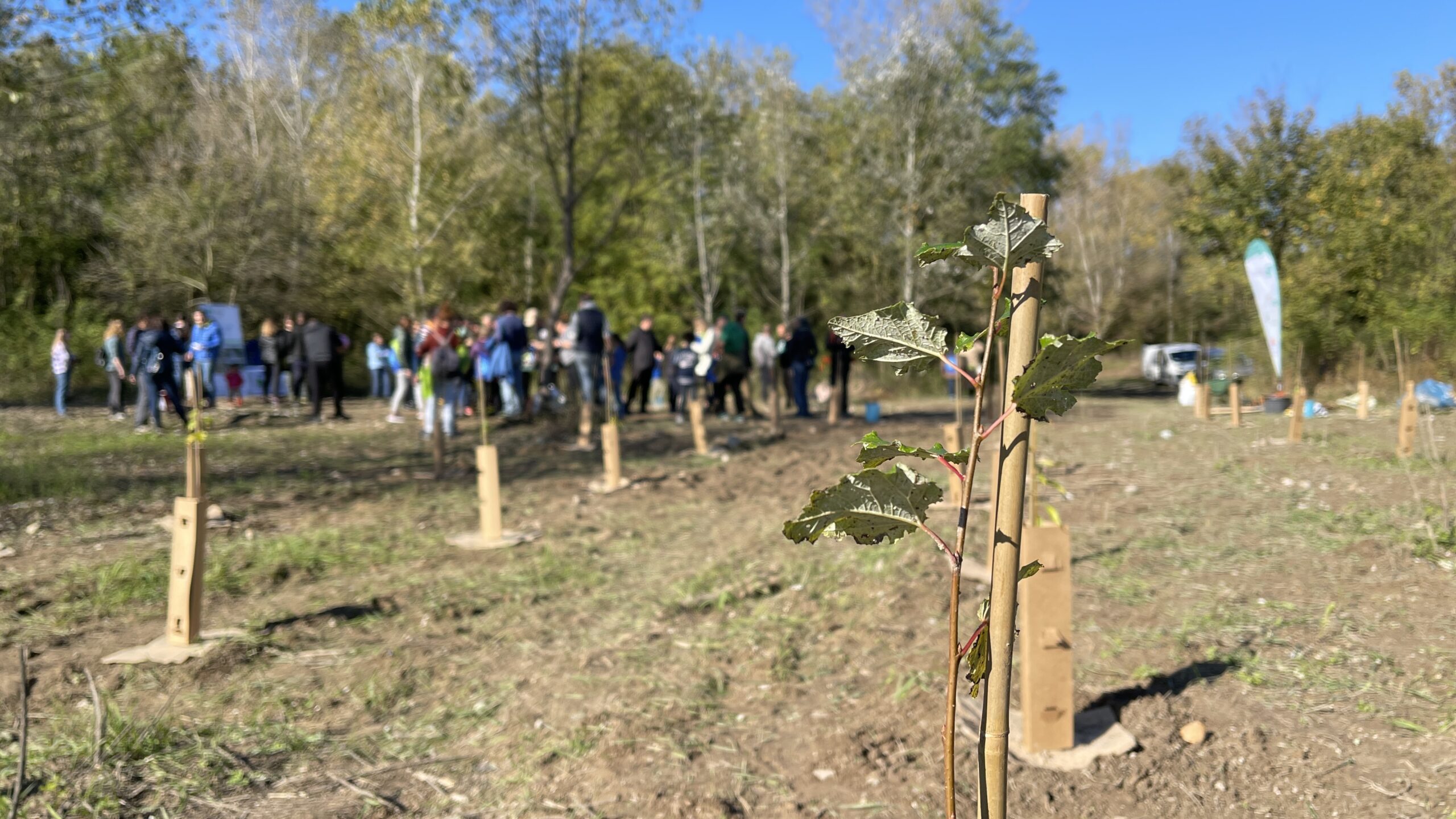
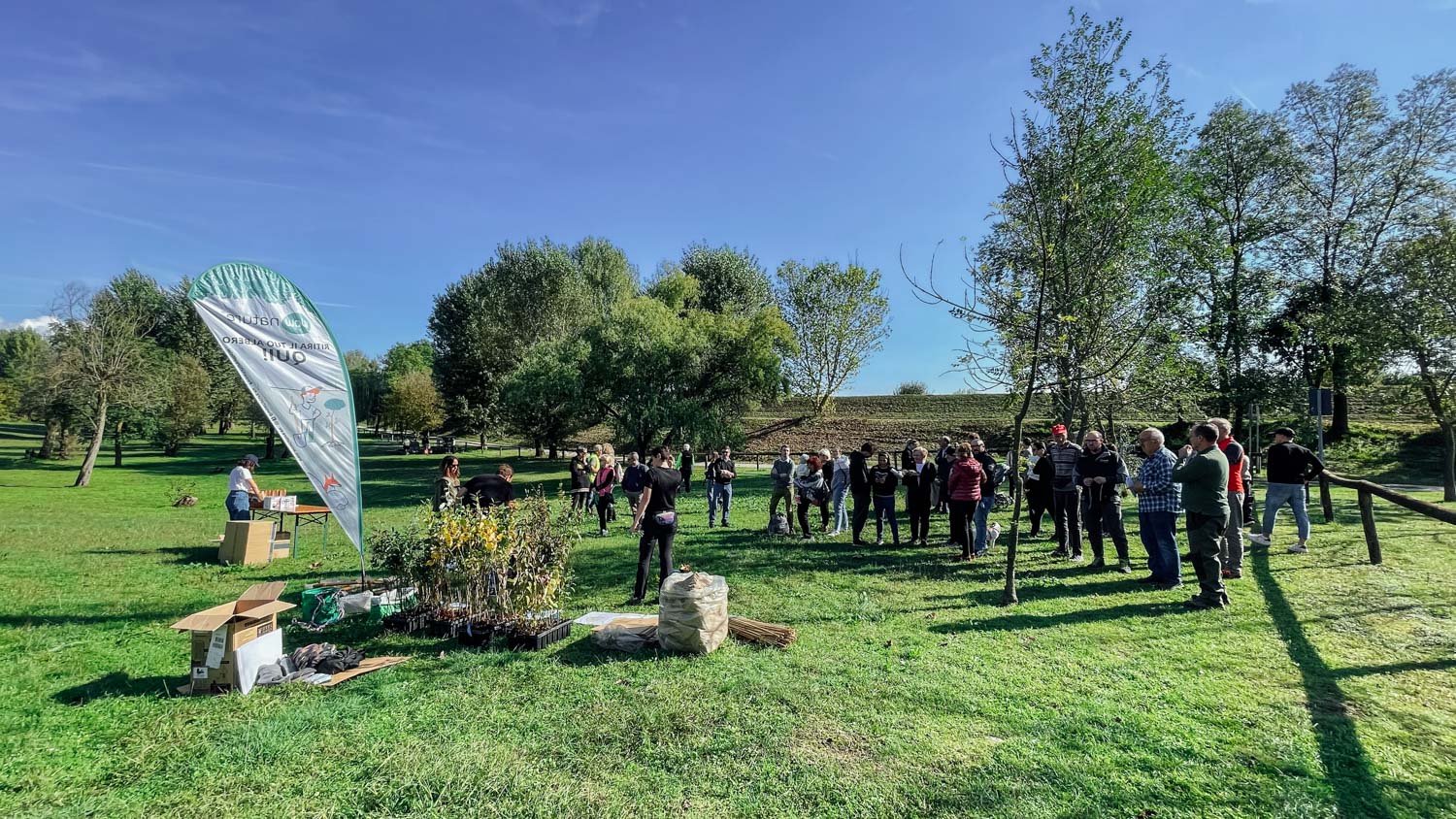
On this special day, we also planted new trees together with over 130 people, including citizens, volunteers and partner companies who decided to support the project by adopting a tree. It is thanks to this involvement that we can continue with a reforestation project that has a real impact on the health of the lagoon.
Watch the video
November 2024 – Updates from the Lio Piccolo forest
Over the past two years, more than 16,000 shrubs have been planted, creating a natural protection network that strengthens the environment against climate fluctuations. The site is part of the Natura 2000 network, which protects the most environmentally valuable ecosystems in Europe, and this project is an essential intervention for the preservation of biodiversity. The tree planting activities, spread between 2022 and 2023, have already begun to show positive effects, such as reduced erosion and the creation of new shaded areas that help stabilise water temperatures for the benefit of aquatic fauna.
Watch the video
April 2024 – Updates from the Lio Piccolo forest
In April 2024, we went to check on how the trees are growing in Lio Piccolo, in the province of Venice. This project involves planting new trees to reinforce the embankments, improve biodiversity and create an ideal habitat for fish and birdlife.