


Update from Burkina Faso
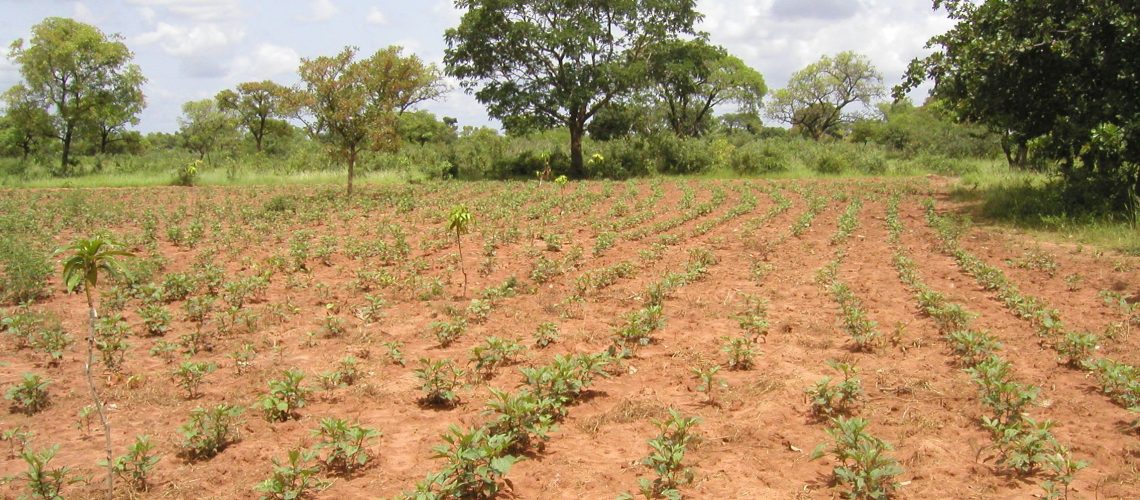
Novembre 2024 – Update from Burkina Faso
In the heart of Burkina Faso, the social reforestation project promoted by WOWnature, in collaboration with the Padua-based NGO AES-CCC, has a twofold mission: to combat desertification and to empower women in rural communities. In this video we tell you about the latest progress of the project.
The importance of women and trees in reforestation
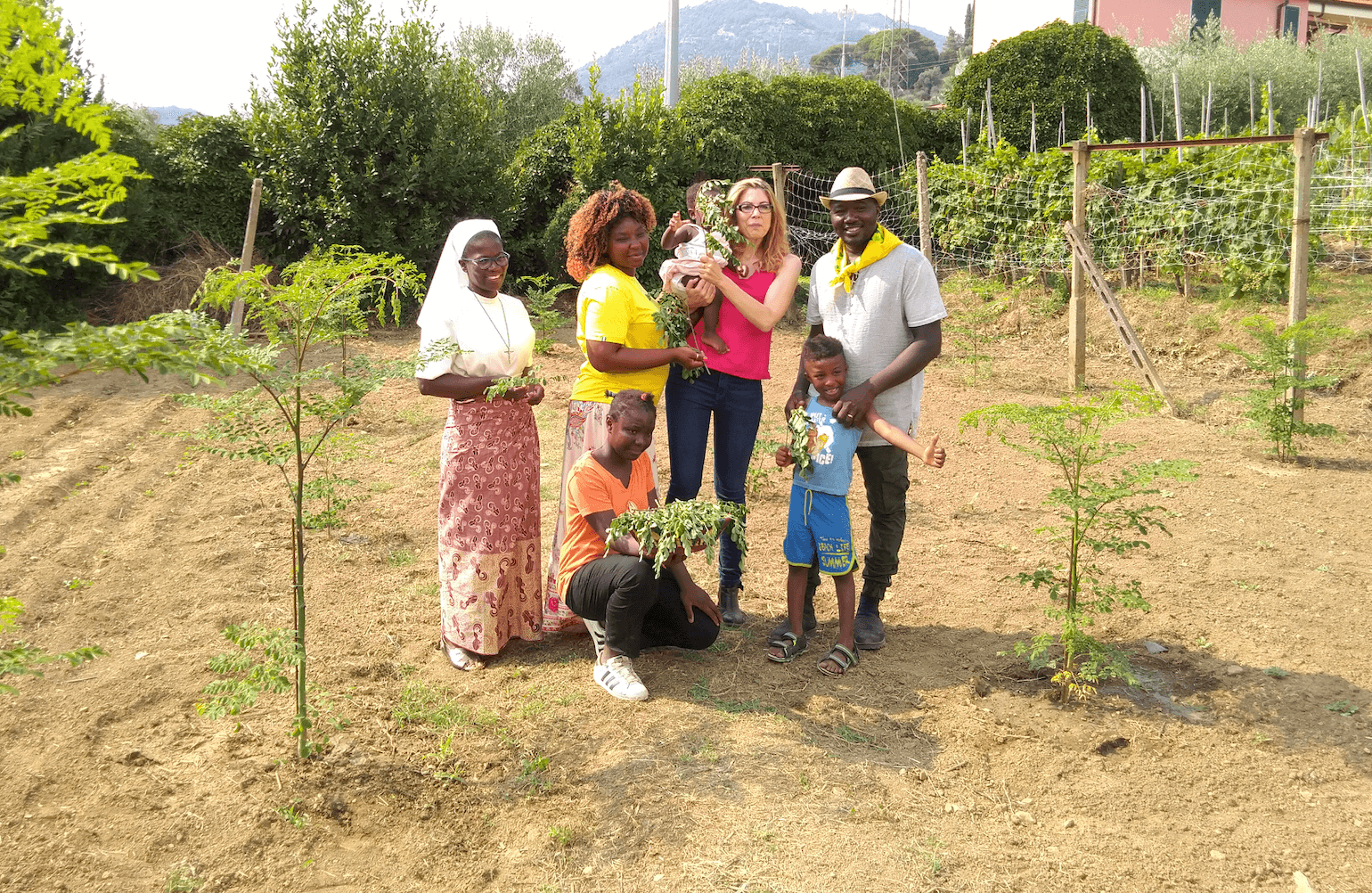
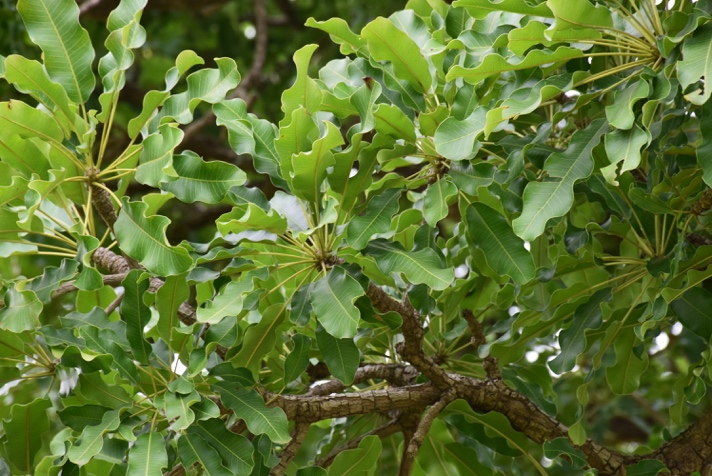
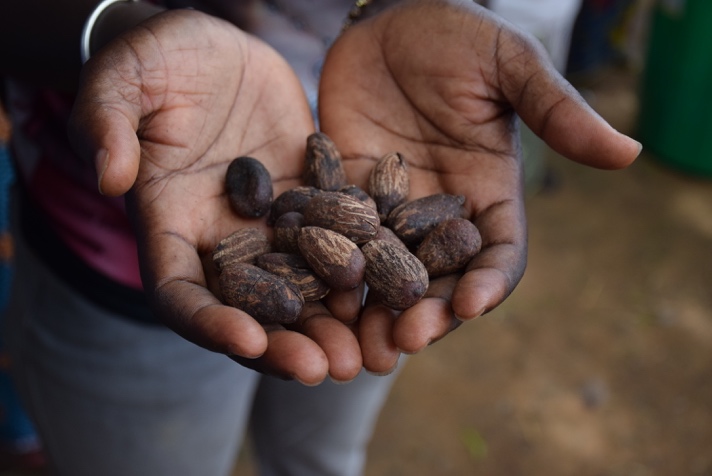
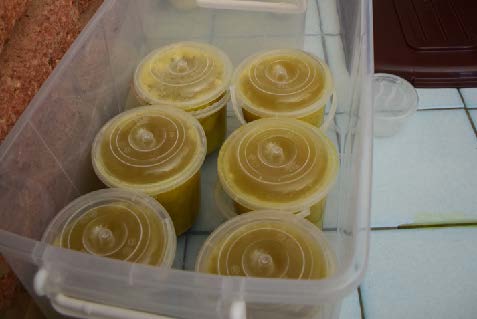
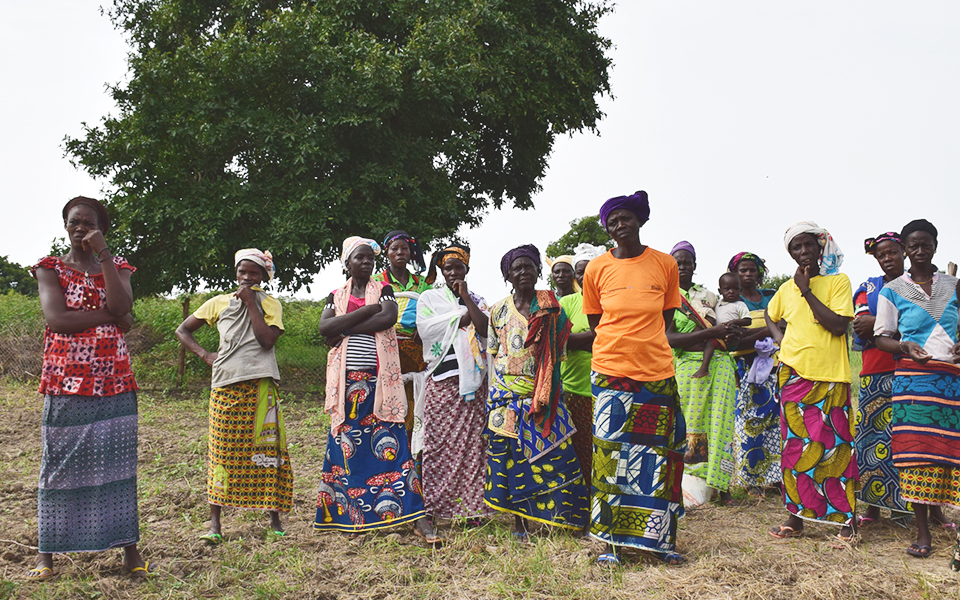
In Burkina Faso, women are a mainstay of rural communities, contributing substantially to their families’ livelihoods and the local economy. WOWnature has chosen to directly involve women in the management and care of Baobab, Shea, Moringa and Neré trees. These trees, chosen for their ecological value and multiple uses, are crucial not only to halt the advance of desertification, but also to offer Burkinabe women the opportunity to acquire skills in environmental management and the production of natural products. In fact, the women learn how to take care of the trees and transform their fruits into oils and butters, used in both the food and cosmetic industries. This local production contributes to the community’s economy.
Towards organic certification and fair trade
The marketing of products derived from the Baobab, Shea and Moringa trees takes place mainly in local markets and in the capital, but the project looks to the future with the ambition of expanding the distribution network internationally as well. Some products have already obtained ECOCERT organic certification, a recognition of their sustainable quality, and work is underway to obtain membership in fair trade networks, opening up new perspectives for European exports.
The role of the 2024 rainy season and new trees
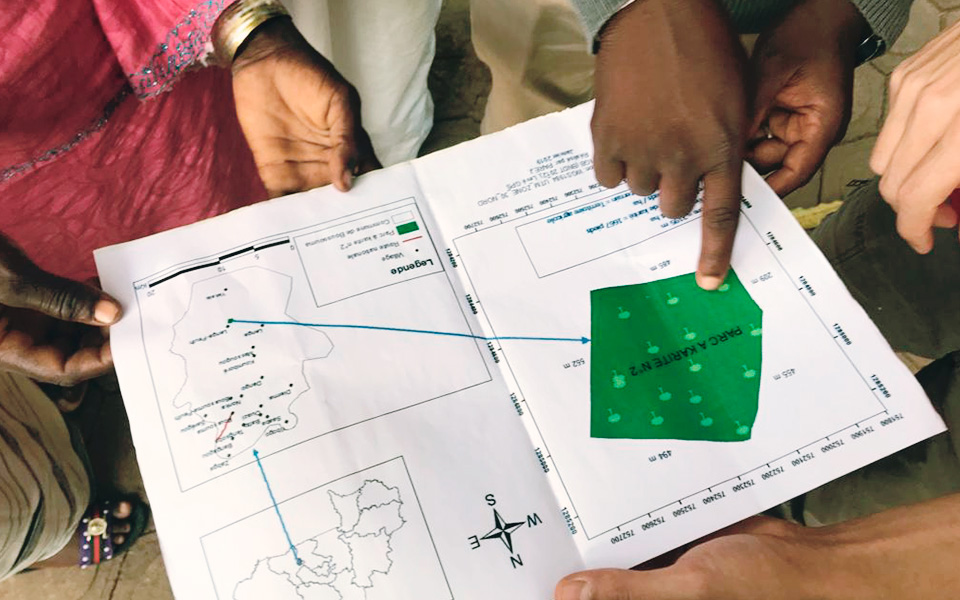
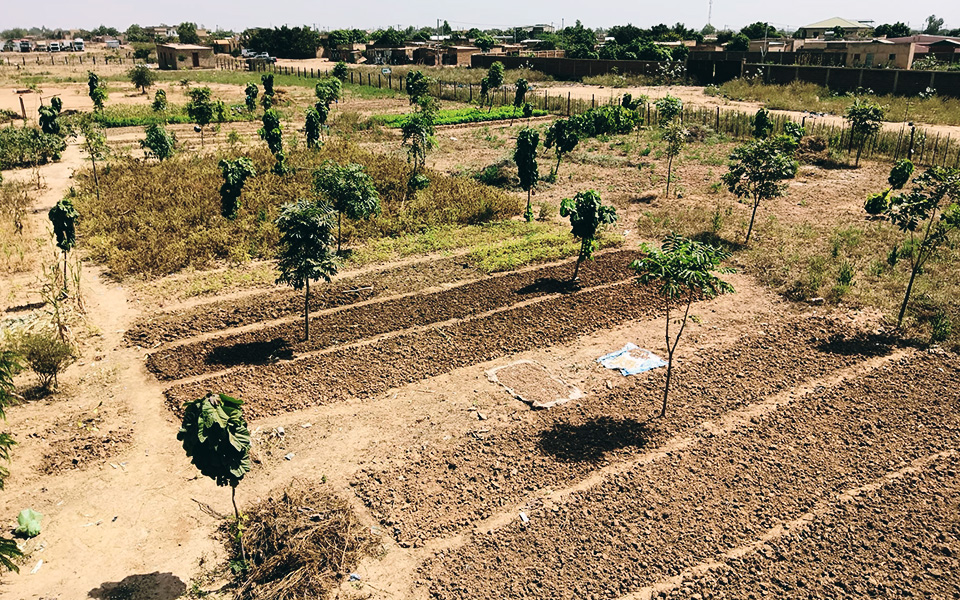
During this year’s rainy season, between July and September, new Neré and Baobab trees were planted. The plants were transferred from the nurseries to the designated reforestation area in the village of Zider. These trees add to the 5,000 already planted in previous years, thanks to the support of citizens and companies, who have chosen to do their part to combat desertification and generate a social impact on people’s lives.
Watch the update video!
July 2022 – Update from Burkina Faso
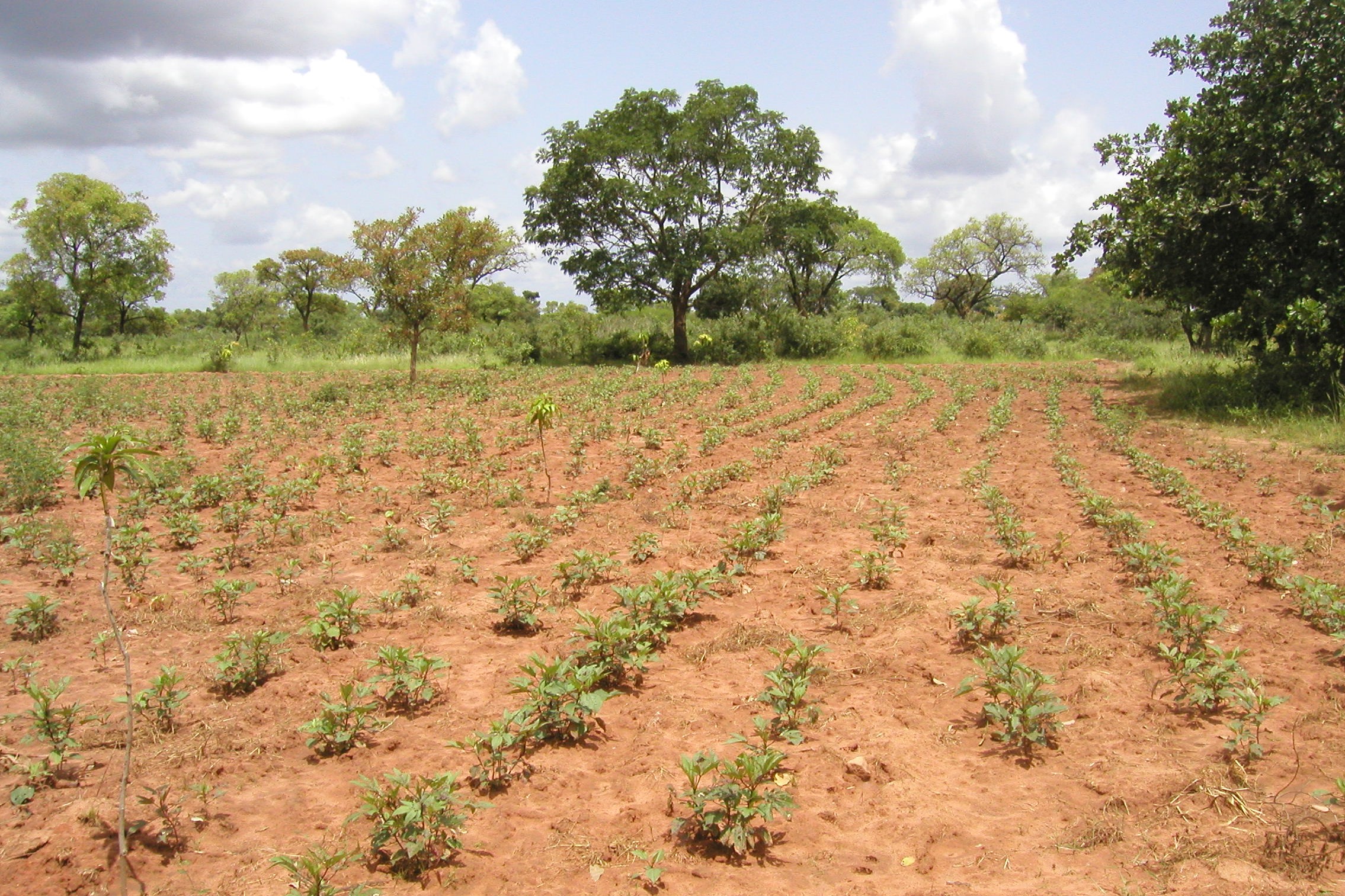
Thanks to your support, since the project began, we have planted 5,000 new shea, baobab, moringa and neré trees. Over 3,000 of these were planted between June and July 2022: the only time of year when new trees and shrubs can be planted in a climate like that of Burkina Faso, as these are the rainiest months.
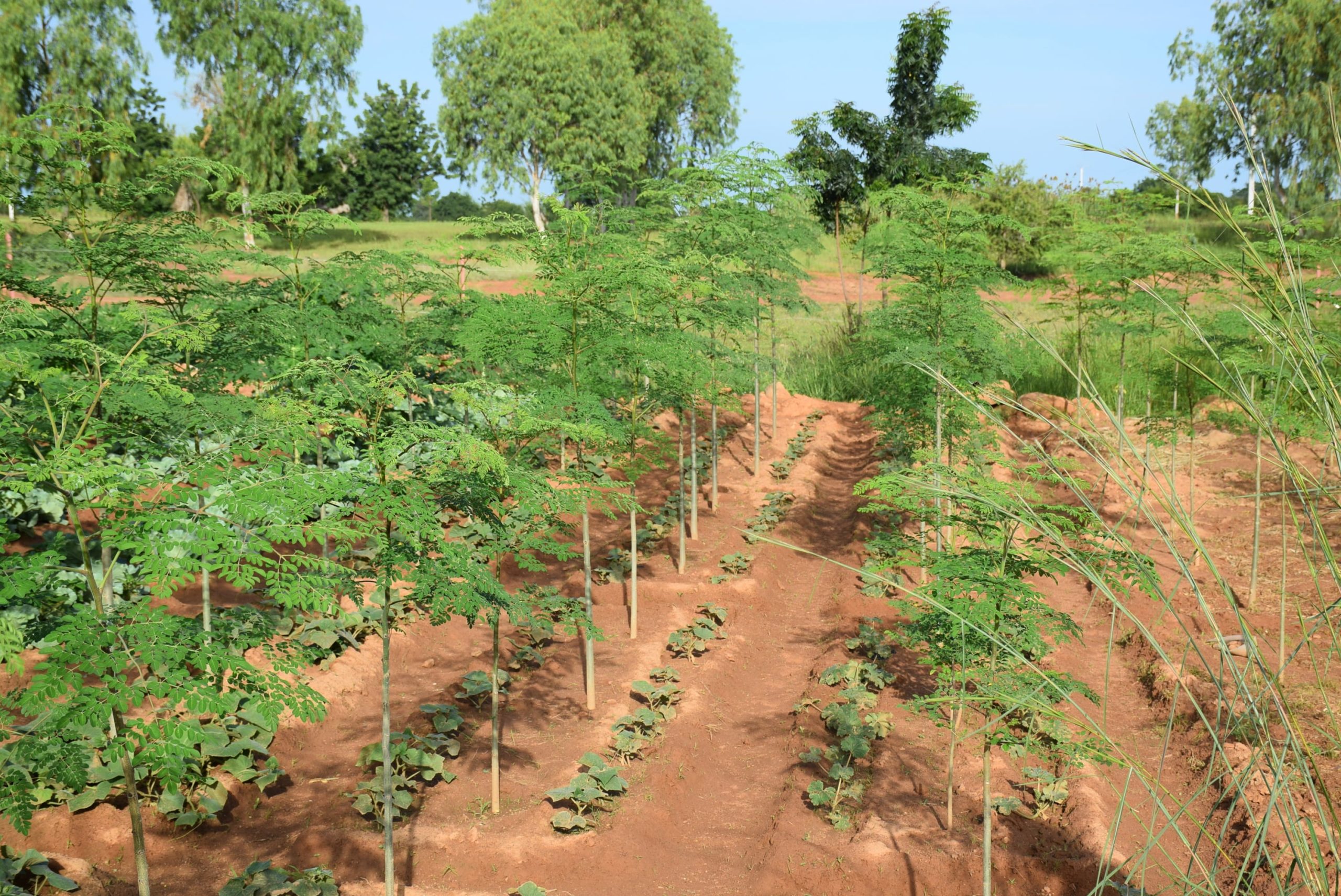
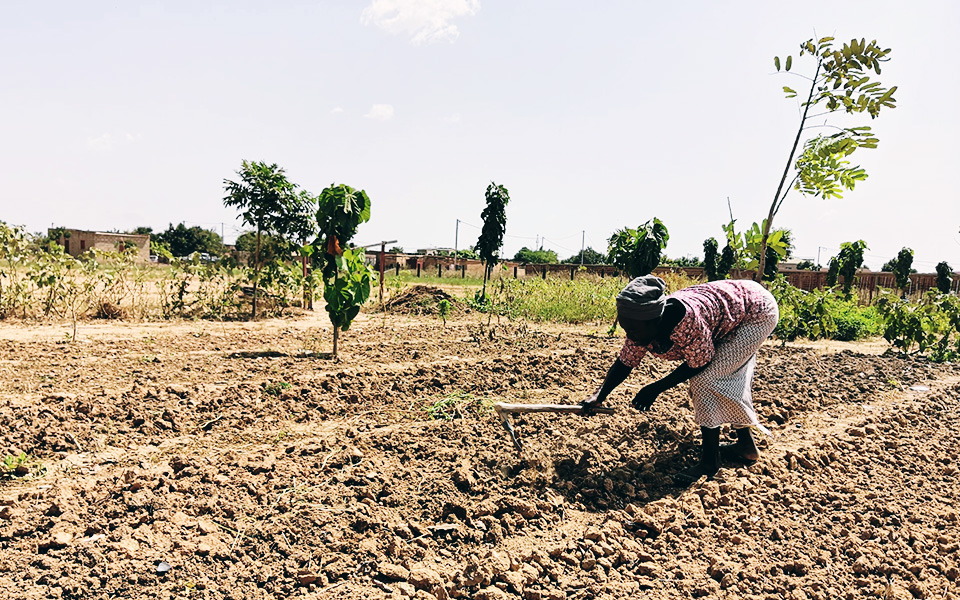
The 2,000 saplings planted in 2020 and 2021 are thriving! Despite the lack of rain, the women look after the trees, watering them when necessary. This is particularly true of the moringa, which is planted within agroforestry systems. Shea and neré, on the other hand, withstand drought much better, so only minor care and protection are required. In these contexts, agroforestry also helps us: some baobab and moringa trees are planted alongside a small vegetable garden, so that mutual benefits are generated between the two components.
One certification secured and another on the way
We have received news of another important development. The Union de Femmes has obtained ECOCERT certification for the sale of organic or natural cosmetics in accordance with the COSMOS standard. As you know, the women combine the fight against desertification and the climate crisis with the need to produce goods that support the community’s livelihood. To this end, they plant species from which they can produce flours, butters, edible oils and essential oils, which they then sell in neighbouring villages, as well as in the capital, Ouagadougou.
That’s not all! As a further guarantee of the quality of their products, they are working towards joining the World Fair Trade Organization (WFTO), which will enable them to export their products to Europe as well. This will be a major step towards generating greater added value for their products and stabilising their source of income derived from the sustainable management of green spaces.
A huge thank you to all of you who have decided to support this project by adopting a tree. However, our work is not yet done: we want to raise the bar and plant another 10,000 trees together!
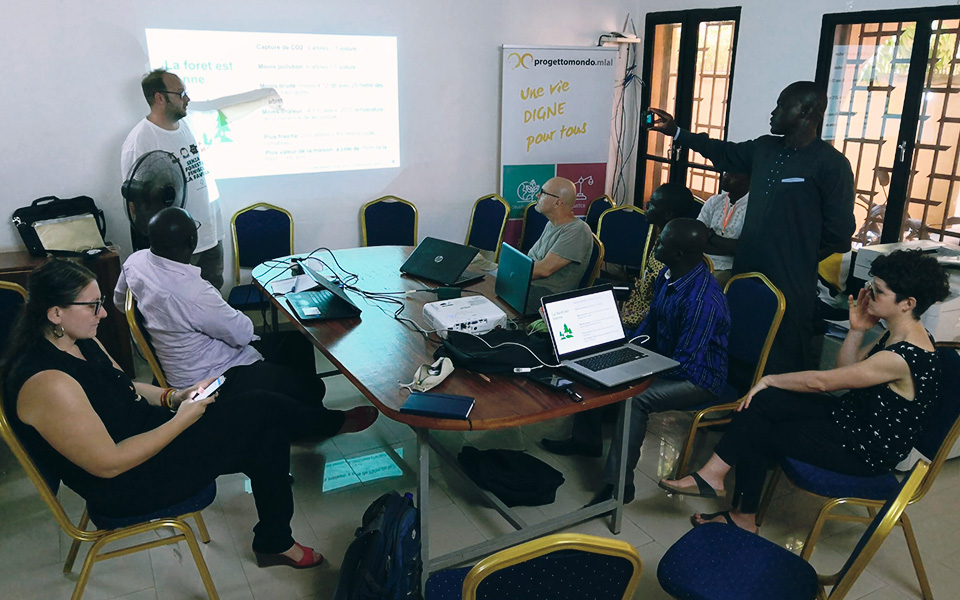
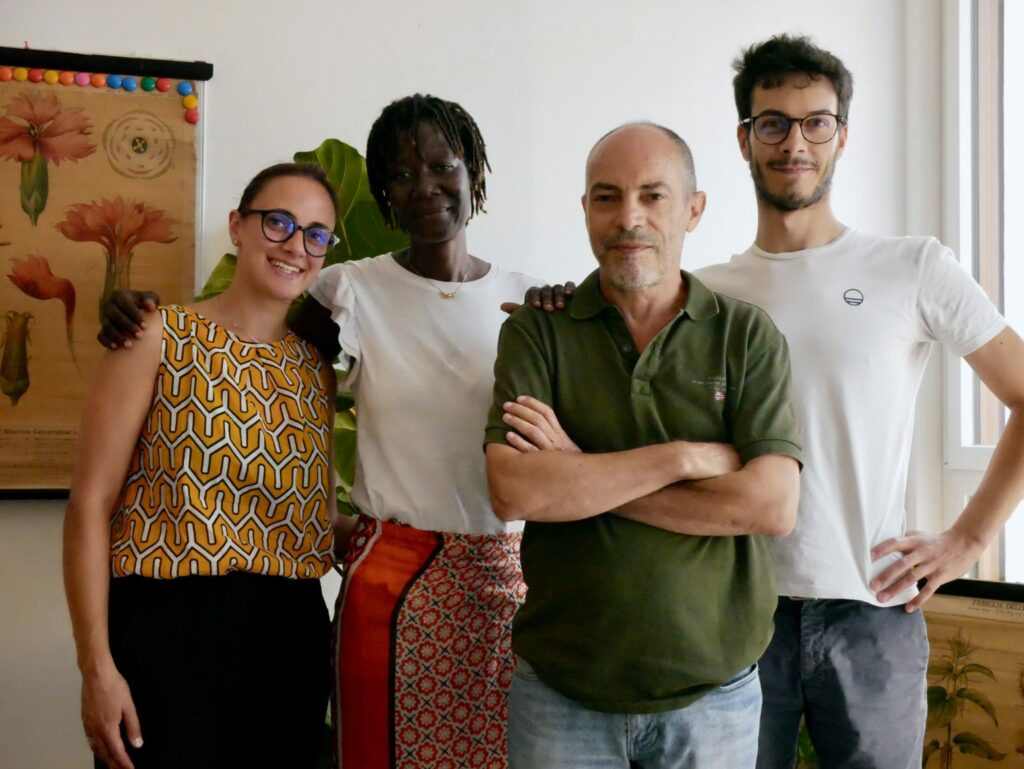
At the end of July 2022, the president of the Union de Femmes de Garango and the representative of the AES-CCC association for Burkina Faso, who were visiting Italy, dropped by our office to see us and gave us an update in person.
October 2019 – Update from Burkina Faso
Our journey in Burkina Faso continues with the Risorsa Terra project. Thanks also to the WOWnature community, we are able to provide support to dozens of families and communities to improve their food security.
We have returned to Burkina Faso to continue our work and provide support to communities living in the south of the country, with the aim of improving the economic and food security of local families, who often face conditions of absolute poverty. The political situation is certainly not the most stable either: the recent armed attack on a military detachment based in Oursi, in the north of the country, highlights just how fragile the social and political balance is in these areas.
But we are convinced that, with our help, the local population can achieve a higher standard of living. And perhaps greater economic and social stability. How? Through trees. Thanks to the Risorsa Terra project, we are able to provide not only the plants, but also the best agricultural practices and techniques to help them grow and produce fruit that can provide food and economic support to families. It is called social reforestation: trees are not simply planted to reforest degraded areas, but are chosen so that they can provide a livelihood for the communities that cultivate them.
From shea to moringa: improving the community’s quality of life
Whilst on our last trip we focused on the shea tree – a plant with countless benefits – this time it is moringa’s turn. The plant is native to India and was introduced to Burkina Faso for food production. Production began in 2014 and currently involves around 130,000 plants, most of which are located in the Dano district, on the border with Ghana.
In the twenty-four villages where the seedlings, grown in the project’s experimental nurseries, were distributed, we observed the real difficulties involved in managing the micro-nurseries and distributing the plants. The trees, distributed at a nominal price, were nevertheless appreciated by the families and will be used to supplement the children’s diet.
The properties of moringa
In recent years, moringa has come to be regarded as a ‘superfood’ because its edible leaves are rich in vitamins and minerals, such as vitamin C, vitamin E and some B vitamins. Among the minerals are potassium, as well as essential amino acids and antioxidants. The fruits are also edible, used in soups and salads, and provide a good source of protein. In short, it is a versatile and useful plant, so much so that there are dozens of moringa-based products on the market.
As we continued our journey through the villages near Dano, we received some excellent news: we recorded a high survival rate for the plants, with around 9 out of 10 still alive after a year. Moringa and baobab are the most popular plants in the immediate vicinity of homes or villages, as monitoring, harvesting and processing the leaves is simpler.
October 2018 – Update from Burkina Faso
Our journey begins in October in Ouagadougou, the capital of Burkina Faso. It is the country’s largest city and its cultural and economic hub.
From the capital, we head west to visit a number of villages and cooperatives where the Risorsa Terra project has been active for several years now. We have a twofold objective: to check how the cultivation of the shea tree is progressing and how the nurseries are being managed, but also to understand the limitations and difficulties the communities are facing, so that we can provide them with possible solutions.
As we travel, I reflect on what has brought us here: Burkina Faso is one of the poorest countries in the world, where more than two-thirds of the population lives in abject poverty. This is why child malnutrition is so widespread. Of course, the solution is not just around the corner, but I am convinced that we have the tools. This is why we have chosen the shea tree (Vitellaria paradoxa): the average yield per plant ranges from 10 to 20 kg, and it begins to produce from the age of 15. A mature tree can produce as much as 80 kilograms of fresh nuts! This is an excellent investment that can change the fortunes of entire villages. Furthermore, shea butter is likely to see significant growth in the coming decades, as a substitute for hydrogenated oils or animal fats on the international market.
The shea tree provides work for hundreds of women
We arrive in Dano after a journey of over four hours. Here, time and distance seem to be measured in a different unit altogether. We visit a centre described to us as a ‘federation of associations for the development and empowerment of women in the south-west’, which also processes other products such as baobab, moringa, neré and honey. However, the centre’s main activity remains the production of shea butter. The centre brings together around 45 associations, totalling over 800 women, the true backbone of the communities. This provides further confirmation of what the FAO has been telling us for some time: it is estimated that women produce between 60 and 80 per cent of food in most developing countries and are responsible for half of global food production. This is why it is essential to engage with them, listen to them and train them.
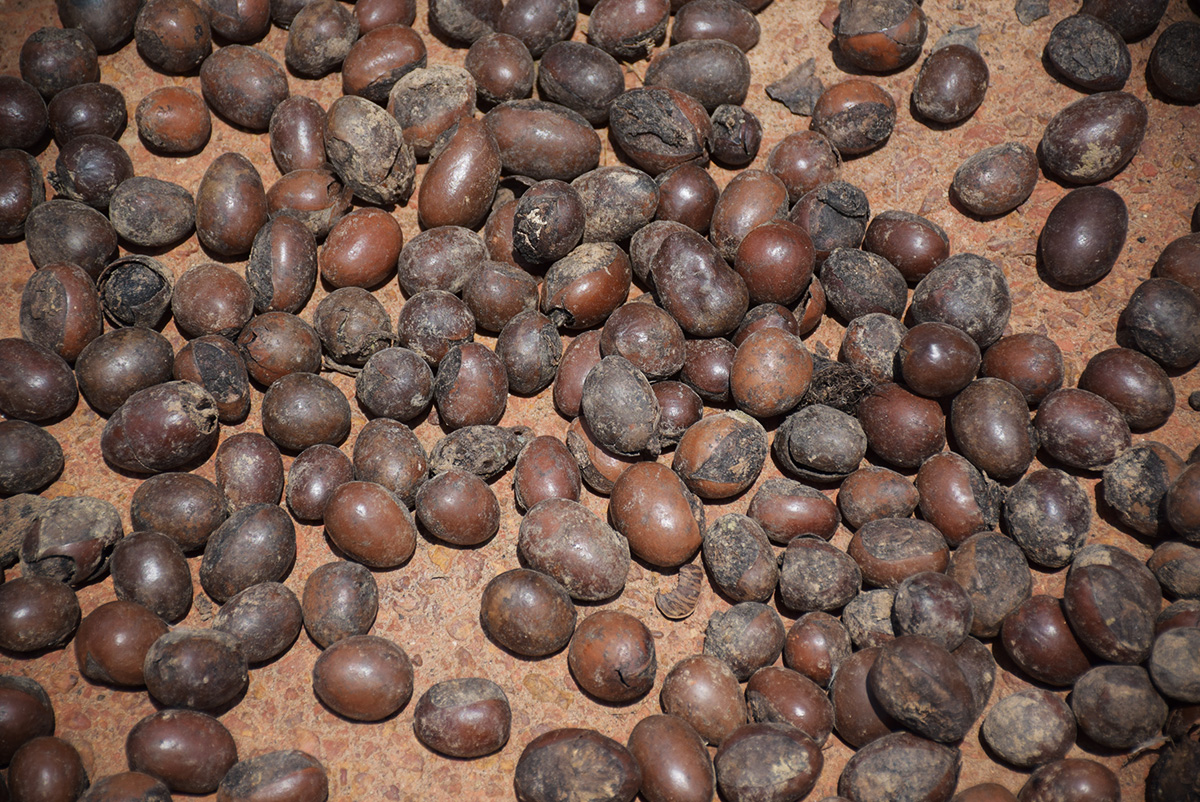
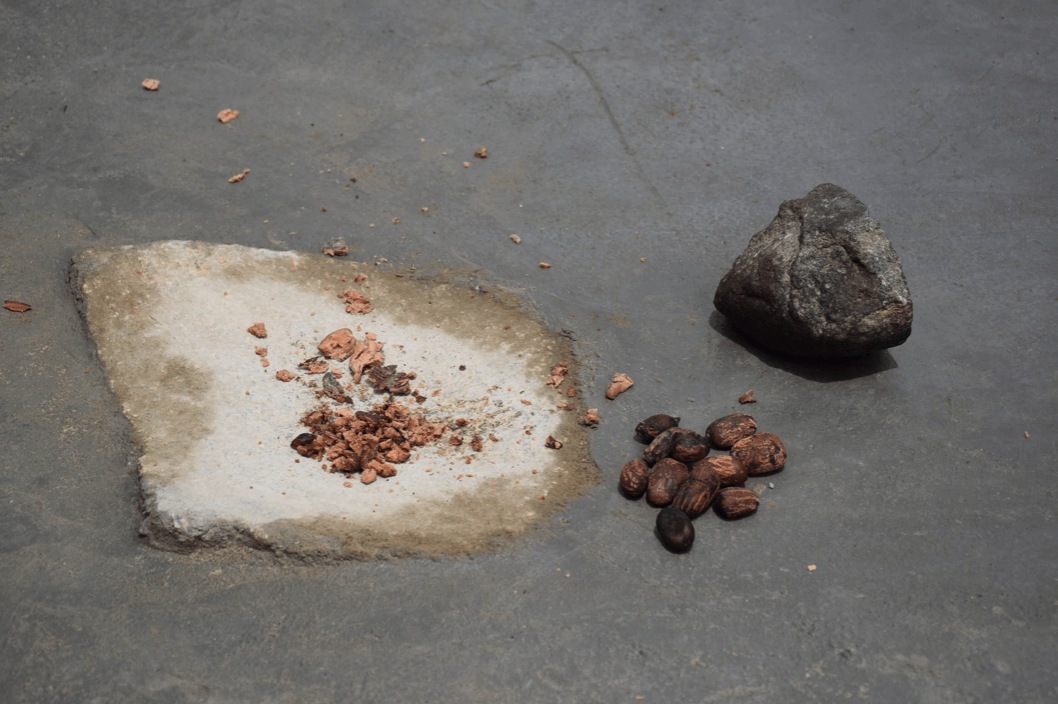
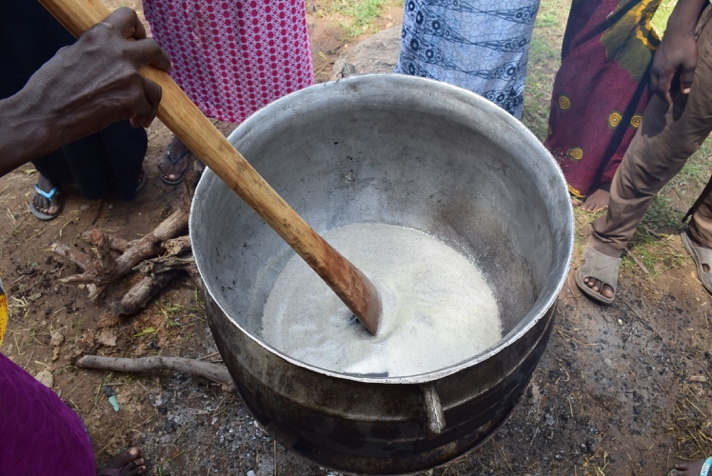
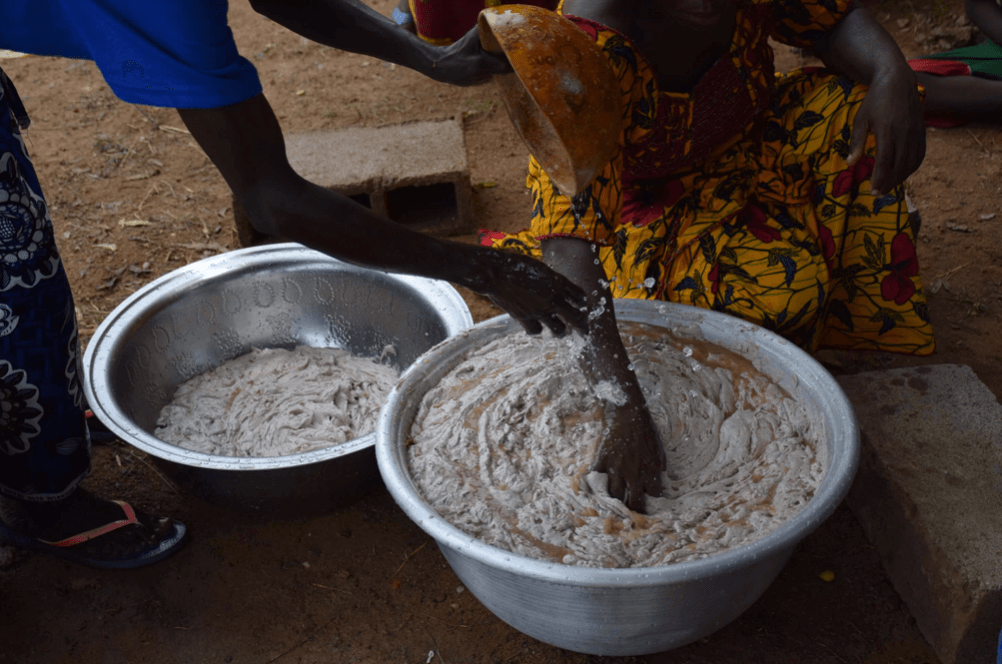
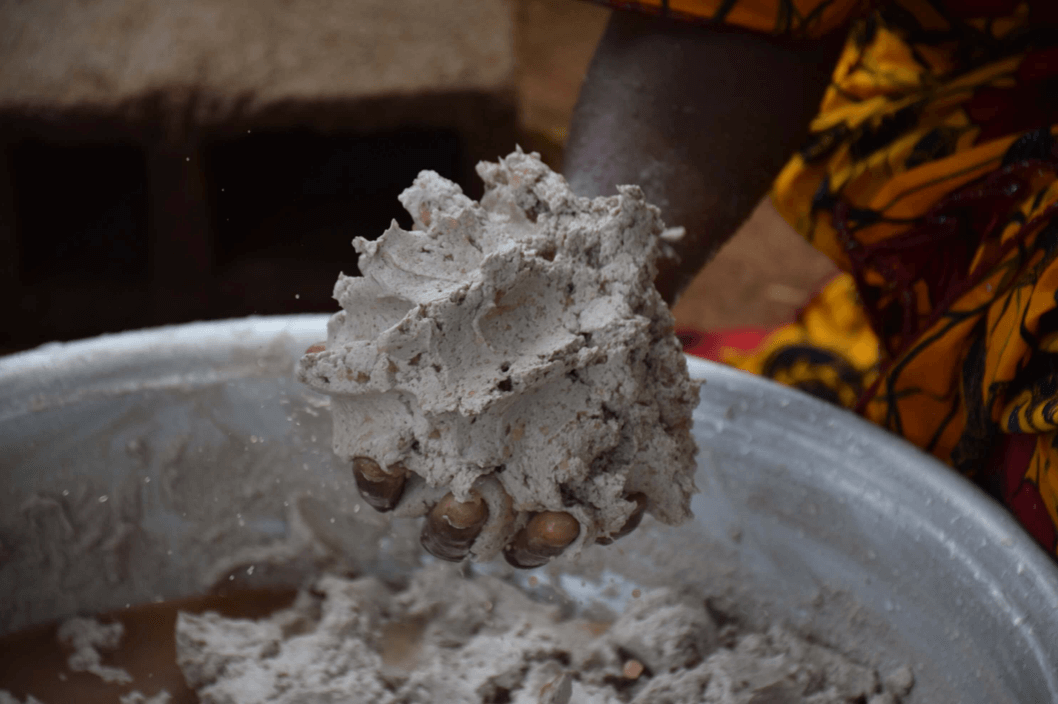
It is time to head ‘into the field’ to visit the nurseries first-hand and see how the villages process the nuts from the shea tree. The red soil here is fertile and the vegetation is still lush. However, this country too has been hit by droughts and floods, confirming that climate change knows no borders. Near Tenkodogo, we observed the various stages of shea nut processing. This process revealed all its limitations: whilst boiling the nuts in water does not directly contaminate the raw material, the use of surface water rather than well water can irreversibly contaminate the product. Indeed, surface water may contain high levels of pesticides commonly used in small-scale farming. Another critical issue is drying on the ground, as this is carried out in the village courtyard in the presence of animals and under very poor hygiene and sanitary conditions. With the help of local trainers, we therefore suggested a few small measures, such as drying the nuts on a raised platform, which reduces the risk of product contamination.
In the villages involved in the Risorsa Terra project, we are told that the greatest threat to the growth of the newly planted seedlings is the widespread presence of grazing livestock, particularly goats; for this reason, together with the villagers, it was decided to take certain precautions, namely creating barriers using branches from thorny plants; whilst, in the case of families with some financial means, it is possible to install protective structures combining wooden posts and plastic netting or woven branches from thorny plants (the latter being preferable to plastic in any case).
Beyond the obvious difficulties, it is the words of the village families that make us realise we are on the right track. Not only that, but the shea tree has been identified as a potential food source for families, particularly to supplement children’s diets. In the villages we visited near Dano, the survival rate of the trees was high, with around 9 out of 10 trees still alive after a year.
We can return home with one certainty: the shea tree is truly changing the lives of these families, and this is also thanks to the supporters who have adopted a tree through WOWnature.
What is the Risorsa Terra project?
Launched in 2014 as part of an initiative by the Veneto Region, the Risorsa Terra project now involves 11 international partners (including ACSA, AES-CCC, I Care, ProgettoMondo Mlal and Etifor, the technical consultant and creator of WOWnature).
The partners have pooled their expertise to develop a training programme designed to teach local women how to use natural resources and raise awareness of their role in society, with a particular focus on food security.
To date, 2,200 trees have been planted, but the aim is to reach 10,000.
SHARE
Other posts