



What GHG emissions why it’s important to know them
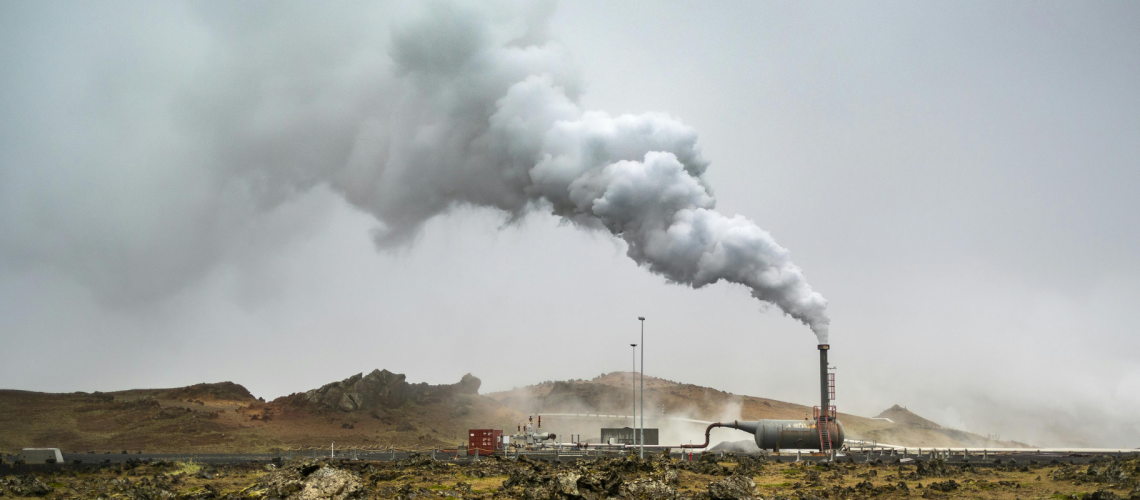
In today’s sustainability landscape, understanding what GHG emissions are is the fundamental starting point for any climate mitigation strategy. The acronym GHG (Greenhouse Gases) refers to greenhouse gases: gaseous substances that, by accumulating in the atmosphere, trap infrared radiation reflected from the Earth’s surface. This phenomenon, known as the greenhouse effect, is a natural process that enables life on Earth, but the excessive release of anthropogenic gases is altering the planet’s thermal balance, drastically accelerating global climate change.
The main greenhouse gases and their characteristics
To manage emissions, it is necessary to identify them. The main greenhouse gases monitored by international protocols differ in persistence and heat-trapping capacity, a value expressed by the Global Warming Potential (GWP).
- Carbon Dioxide (CO2): produced mainly from the combustion of fossil fuels and deforestation. Despite having a GWP (Global Warming Potential) of 1 (used as the unit of measurement), its enormous quantity and century-long persistence make it the primary driver of global warming.
- Methane (CH4): released from extraction activities, landfills, and intensive livestock farming. It has a warming power approximately 28 times higher than CO2 over a 100-year horizon.
- Nitrous Oxide (N2O): linked to the use of nitrogen fertilizers in agriculture and industrial processes, with an impact nearly 300 times greater than CO2.
- Fluorinated Gases (HFCs, PFCs, SF6, NF3): synthetic gases of exclusively industrial origin. Although emitted in smaller volumes, they have a GWP that can exceed 20,000 units, remaining in the atmosphere for millennia.
Sources of GHG emissions
GHG emissions derive from a complex interplay of natural processes and human activities.
Natural Sources: these include volcanic activity, the decomposition processes of organic matter in soils and wetlands, and gas exchanges between oceans and the atmosphere. In a healthy ecosystem, these emissions are balanced by absorption from forests and oceans.
Anthropogenic Sources: these represent the real climate challenge. The most impacting sectors are energy production (through coal, gas, and oil), the transport sector, manufacturing industry, and intensive agriculture. According to data from the IPCC – Intergovernmental Panel on Climate Change, human activities are responsible for almost all the increase in greenhouse gases recorded over the last century.
Environmental and climatic impact of emissions
The increase in GHG concentration intensifies the “natural” greenhouse effect, leading to an accumulation of thermal energy in the Earth system. The consequences of global warming are multiple and interconnected: rising average global temperatures cause the melting of polar and mountain glaciers, resulting in rising sea levels. Furthermore, the alteration of hydrological cycles increases the frequency and intensity of extreme weather events, such as prolonged droughts, heatwaves, and floods, threatening biodiversity and food security.
Monitoring and regulation of GHG emissions
At the international level, the fight against climate change is defined by historic agreements such as the Kyoto Protocol and the Paris Agreement. The latter, in particular, commits nations to limiting the global average temperature increase to well below 2°C, making every effort not to exceed the critical threshold of 1.5°C compared to pre-industrial levels.
However, the current situation is alarming: global warming has already reached approximately 1.2°C, and current projections indicate that, without a drastic change of course, we could exceed the 1.5°C threshold within the next decade. To avoid the worst-case scenarios, science (IPCC) is clear: we must reduce global emissions by 45% by 2030 and reach Net Zero by 2050.
In this scenario, the corporate world plays a crucial role. It is no longer just about ethics or compliance, but about economic resilience: companies that do not reduce their emissions risk regulatory sanctions, exclusion from supply chains, and a loss of attractiveness to investors. For organizations, accurate monitoring is the first operational step. Following the international Greenhouse Gas Protocol standard, emissions are classified into three categories:
Why it is important to know GHG Emissions
Knowing and quantifying one’s emissions is not just a technical exercise, but an act of corporate and civic responsibility. Individual and collective awareness allows for the implementation of effective decarbonization strategies.
Environmental sustainability involves concrete choices: from adopting renewable energy to transitioning towards a circular economy, to supporting reforestation and sustainable forest management projects. Protecting and restoring natural capital is, in fact, one of the most effective solutions for sequestering the CO2 already present in the atmosphere. Adopting sustainable behaviors today means ensuring ecosystem resilience and quality of life for future generations.
Knowing and quantifying one’s emissions is no longer just a technical exercise or a bureaucratic fulfillment: it is an act of corporate and civic responsibility fundamental for long-term business survival. Without precise measurement (the so-called Carbon Footprint), it is impossible to establish credible reduction targets and monitor real progress.
Individual and collective awareness is the engine of decarbonization strategies. The process generally consists of three key phases:
- Inventory: Accurate mapping of all emission sources (Scope 1, 2, and 3) to identify emission “hotspots.”
- Reduction: Implementation of energy efficiency interventions, switching to renewable sources, and optimizing logistics.
- Neutralization & Compensation: Management of residual emissions that cannot be technically eliminated, through support for certified projects.
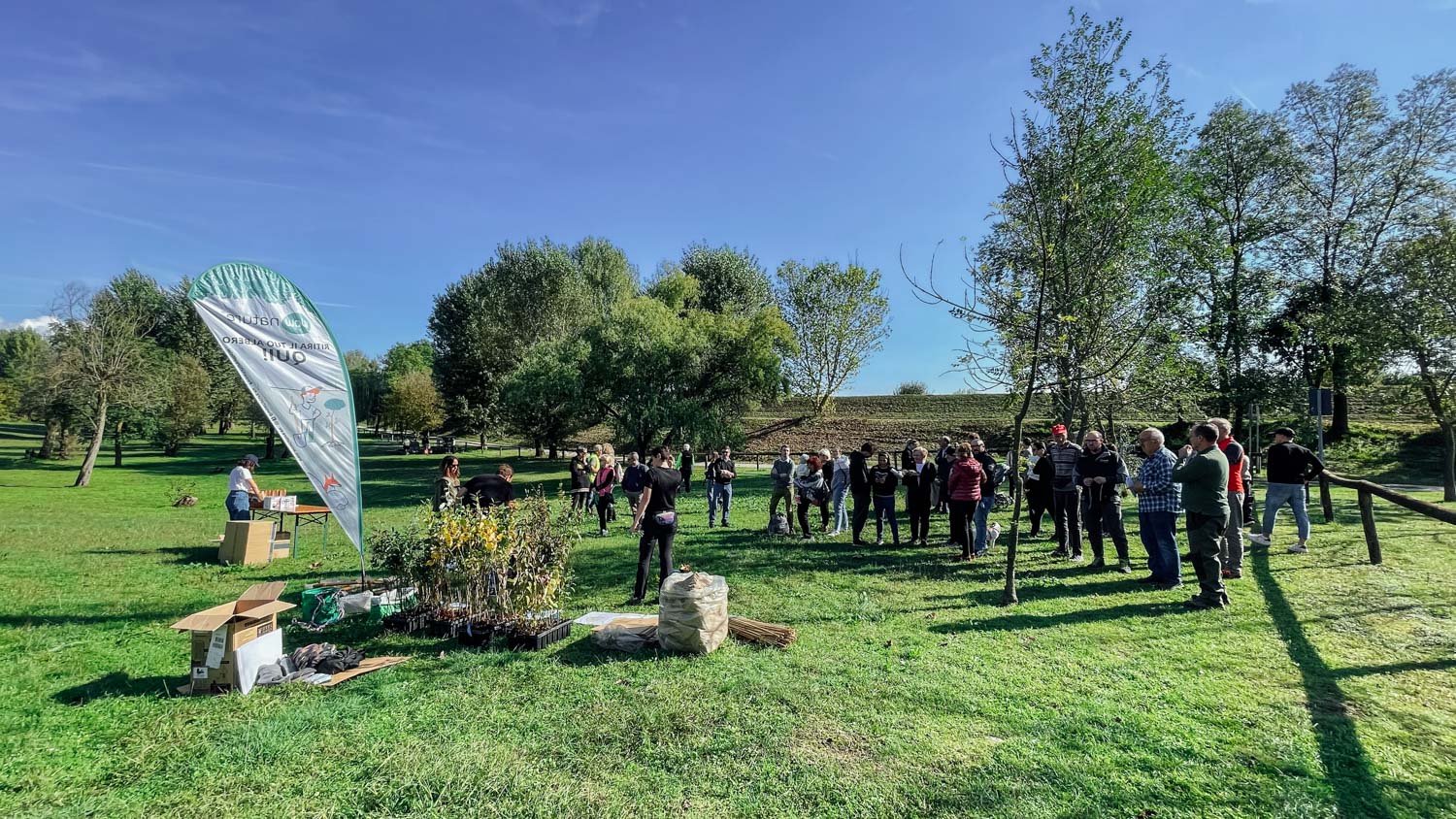
Modern sustainability aims to generate a positive impact. Protecting and restoring natural capital is one of the most effective and immediate solutions for sequestering the CO2 already present in the atmosphere. Indeed, the transition toward a circular economy and support for reforestation represent investments in ecosystem resilience. Healthy forests absorb carbon, regulate the water cycle, protect biodiversity, and mitigate the effects of extreme weather events, ensuring quality of life for future generations.
In this context, WOWnature partners represent the forefront of environmental responsibility because they choose to become an active part of the solution through:
- Scientific reforestation: supporting projects for planting new trees with specific purposes based on the location.
- Responsible forest management: protecting existing forests at risk of degradation, maximizing their carbon storage capacity.
- Transparency and territoriality: support for real and traceable projects, often located near the communities where companies operate, creating a tangible link between business and the territory.
Adopting sustainable behaviors today means transforming the climate challenge into an opportunity for innovation and regeneration.
Discover how to become a WOWnature partner and start your corporate social responsibility journey today.
SHARE
Other posts