Europe’s economic stability is closely linked to the security of global energy routes. The Strait of Hormuz is a perfect example: a ‘bottleneck’ just 33 kilometres wide through which around 20% of the world’s oil and gas passes. A blockade in this area would not only mean higher petrol prices, but would also jeopardise the raw materials needed to produce medicines and agricultural fertilisers. Without these resources, agriculture slows down and the cost of basic necessities becomes unaffordable for families. How can we turn the tide? Can nature help us tackle the energy crisis?
What happens when dependence on fossil fuels causes the system to collapse?
Analysts predict scenarios in which Europe is forced to take drastic measures: cuts to public transport, cancelled flights and industries forced to shut down so that the remaining energy can be allocated solely to essential services. Even if the tensions were to be resolved quickly, the economic damage caused by such fragility would remain evident for a long time.
This vulnerability shows us that accelerating the transition to renewable energy is essential, but simply installing solar panels or wind turbines is not enough. We need a holistic approach that includes nature: it is the silent infrastructure that enables technologies to function and helps us respond to external shocks through Nature-Based Solutions (NBS).
What are Nature-Based Solutions?
Nature-Based Solutions (NBS) are solutions that follow a rigorous scientific protocol. Scientists from IPBES and the IPCC have organised them into four key pillars:
protection: conserving existing ecosystems, such as forests and peatlands, to prevent the release of CO₂ and maintain the benefits they already provide;
restoration: restoring degraded soils and wetlands, returning them to their role as thermal and water sponges;
management: promoting sustainable agriculture that maintains soil fertility without relying on chemical fertilisers produced from fossil fuels;
regeneration: creating new natural areas where they no longer exist, such as urban woodlands or green roofs, to cool cities and reduce energy demand.
How are Nature-Based Solutions put into practice? Our case studies
Moving from theory to practice means transforming the landscape to address the energy and food crises. At WOWnature, we do this through projects that generate measurable benefits.
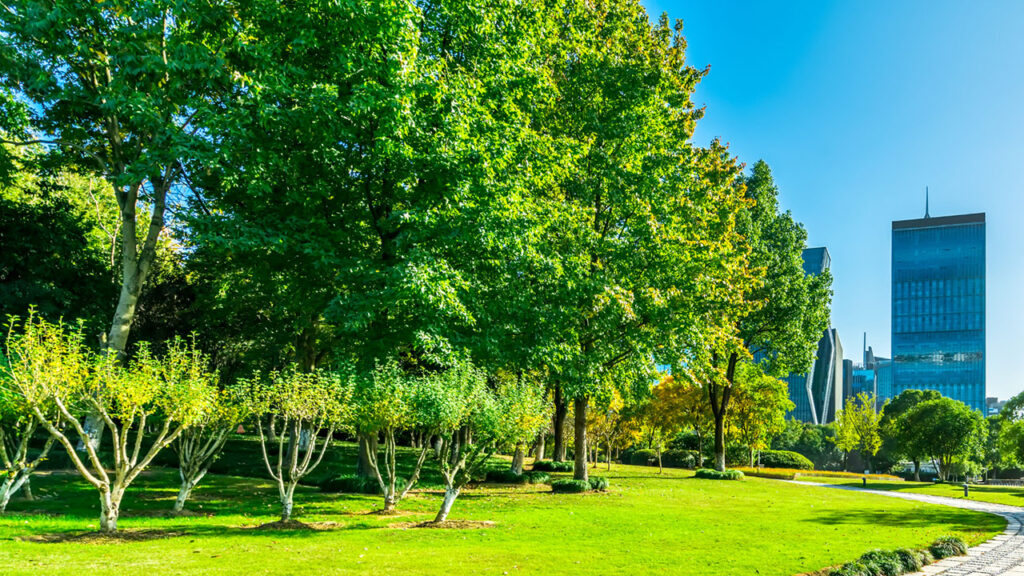
A concrete example is the fight against urban heat islands. Scientific data shows that on a summer’s day, asphalt can reach 65°C, whilst a lawn does not exceed 40°C. In the shade of a tree, the ground temperature can drop by as much as 19°C. This happens thanks to evapotranspiration, a process in which plants release water vapour whilst absorbing heat from the environment. To reduce the use of air conditioning and save energy, we are taking action in urban settings, such as in Barcelona, to mitigate the effects of excessive heat.
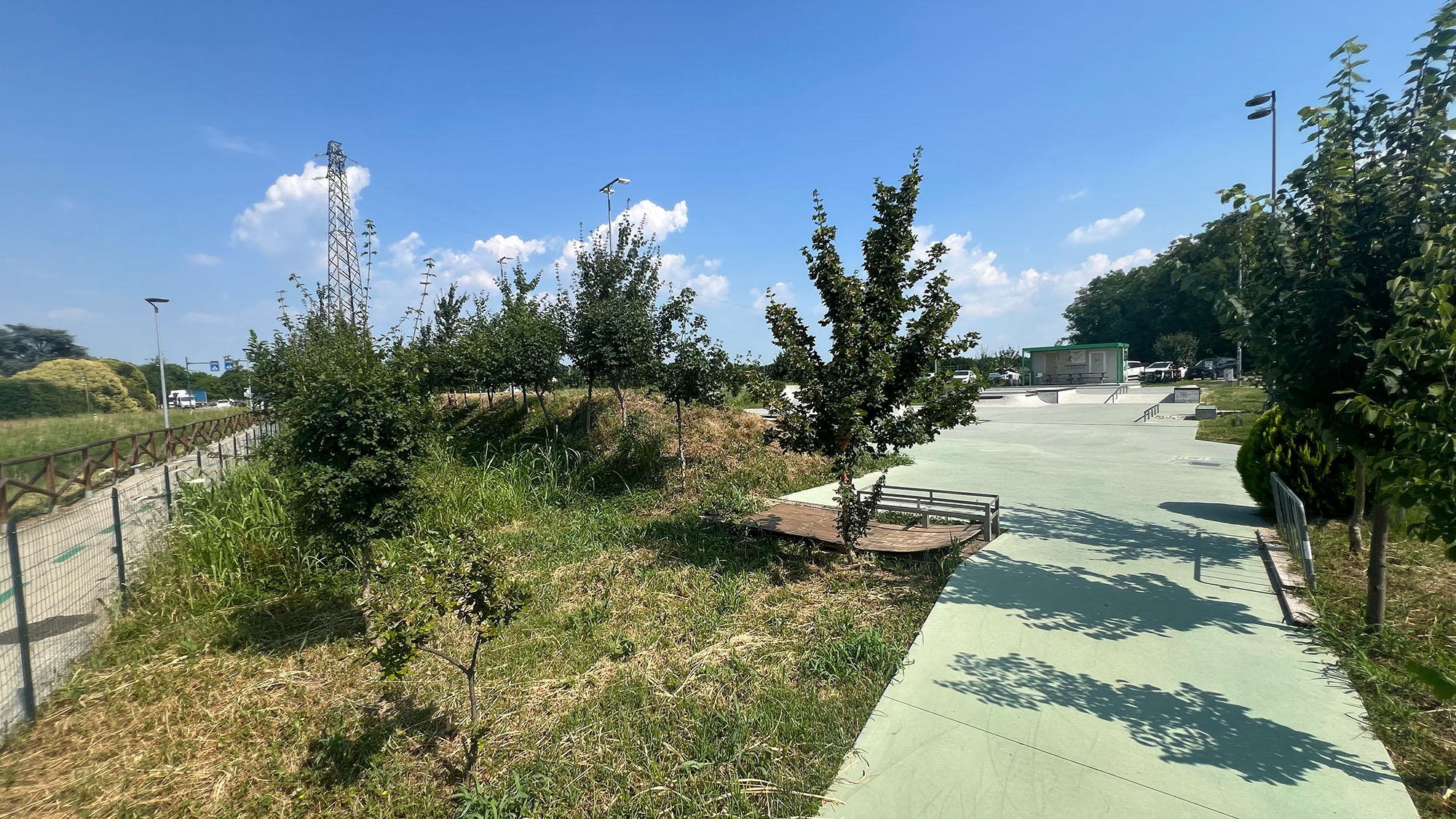
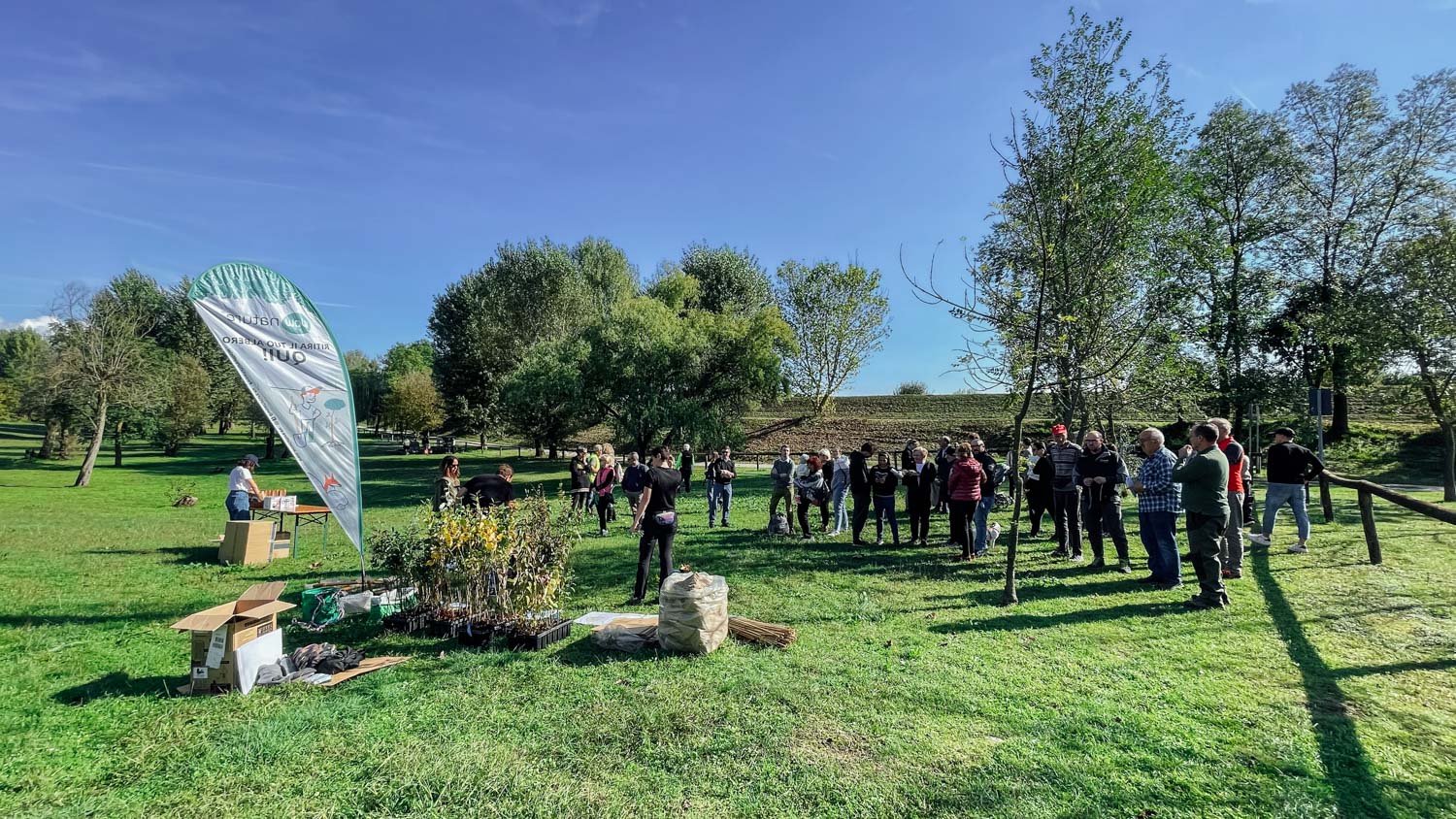
In terms of food and land management, we are applying agroforestry. In the Mezzaluna della Biodiversità project in Vicenza, we are creating a synergy between trees and agricultural crops. This method reduces the need for pesticides and chemical fertilisers, making agriculture more resilient and less dependent on fluctuations in the fossil fuel market.
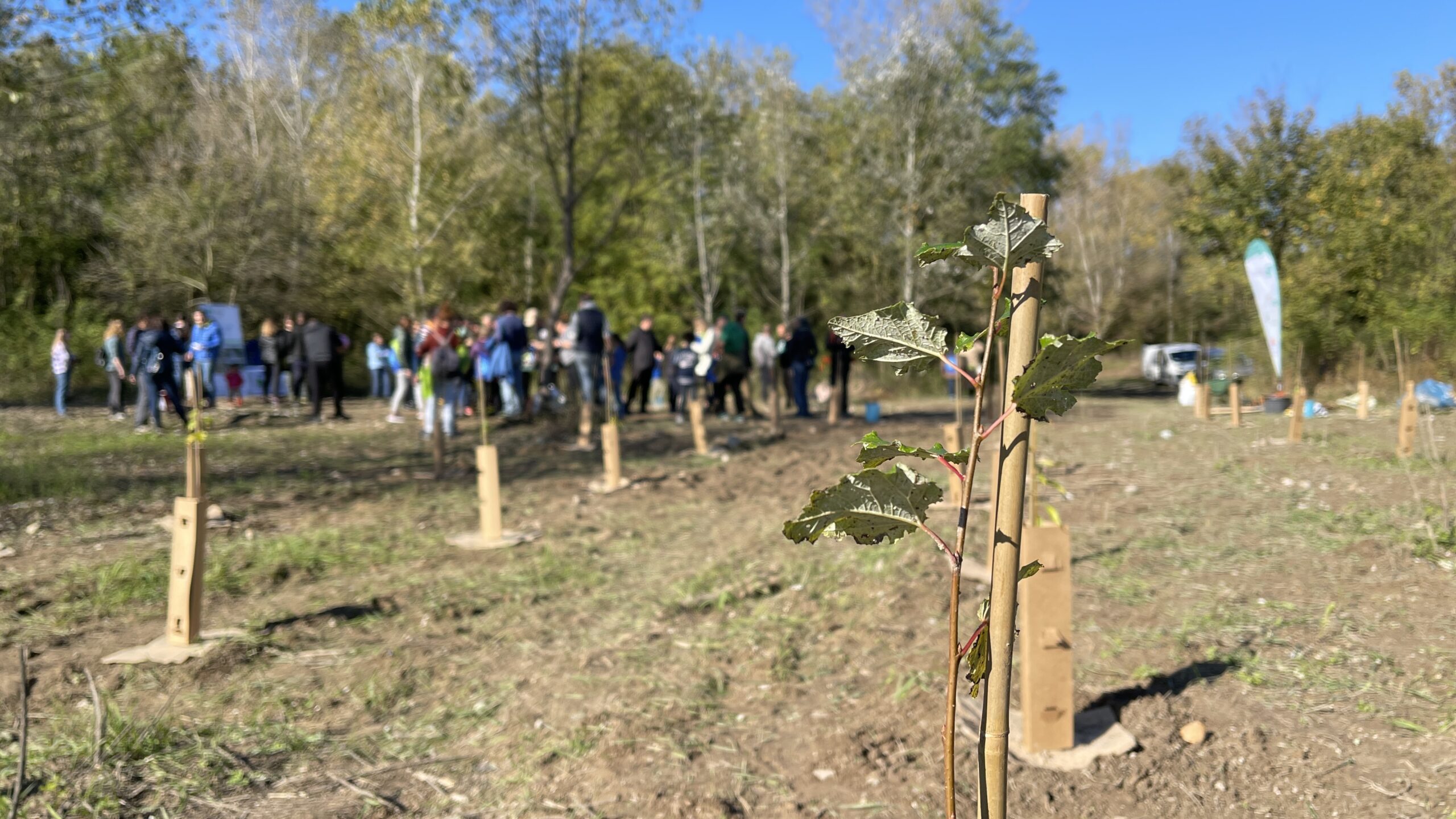
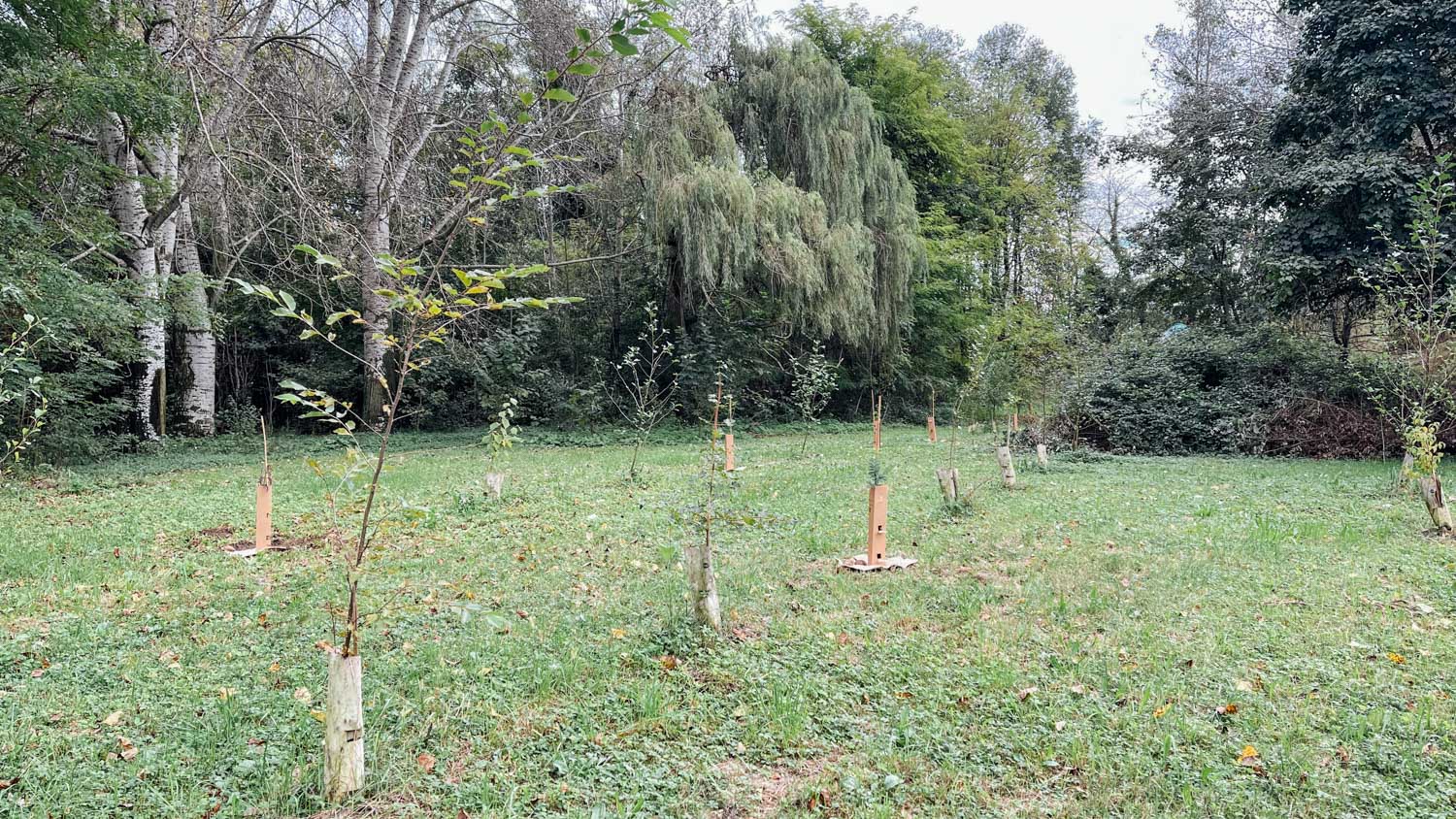
Finally, the restoration of degraded areas allows us to create multifunctional woodlands such as Bosco Limite in Padua. Where there was once a maize field, there now stands a forest capable of recharging the aquifers with over a million cubic metres of water a year.
These initiatives demonstrate that regenerating nature using scientific methods is not merely an environmental measure, but an economic strategy for mitigating the climate and energy crisis.
Can nature help us tackle the energy crisis?
Reforestation and scientific land management are our practical response to today’s challenges. To find out how we turn science into resilient forests, watch our video.
If you’d like to contribute directly, you can choose to adopt or gift a tree in one of our projects. You’ll be supporting concrete actions to tackle the climate and energy crisis, whilst actively participating in the regeneration of the land. We look forward to seeing you out in the field!