October 2021 – Updates from Nico Forest
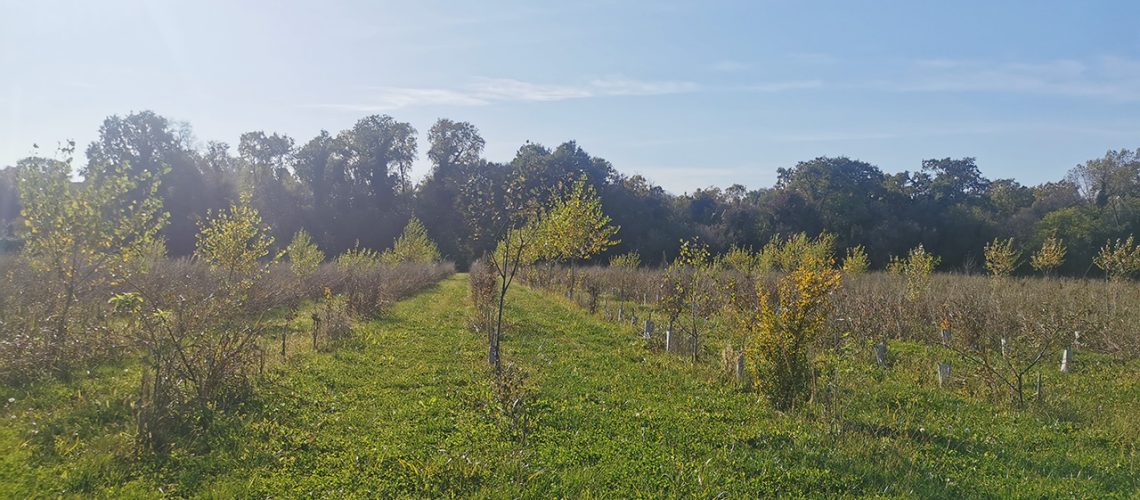
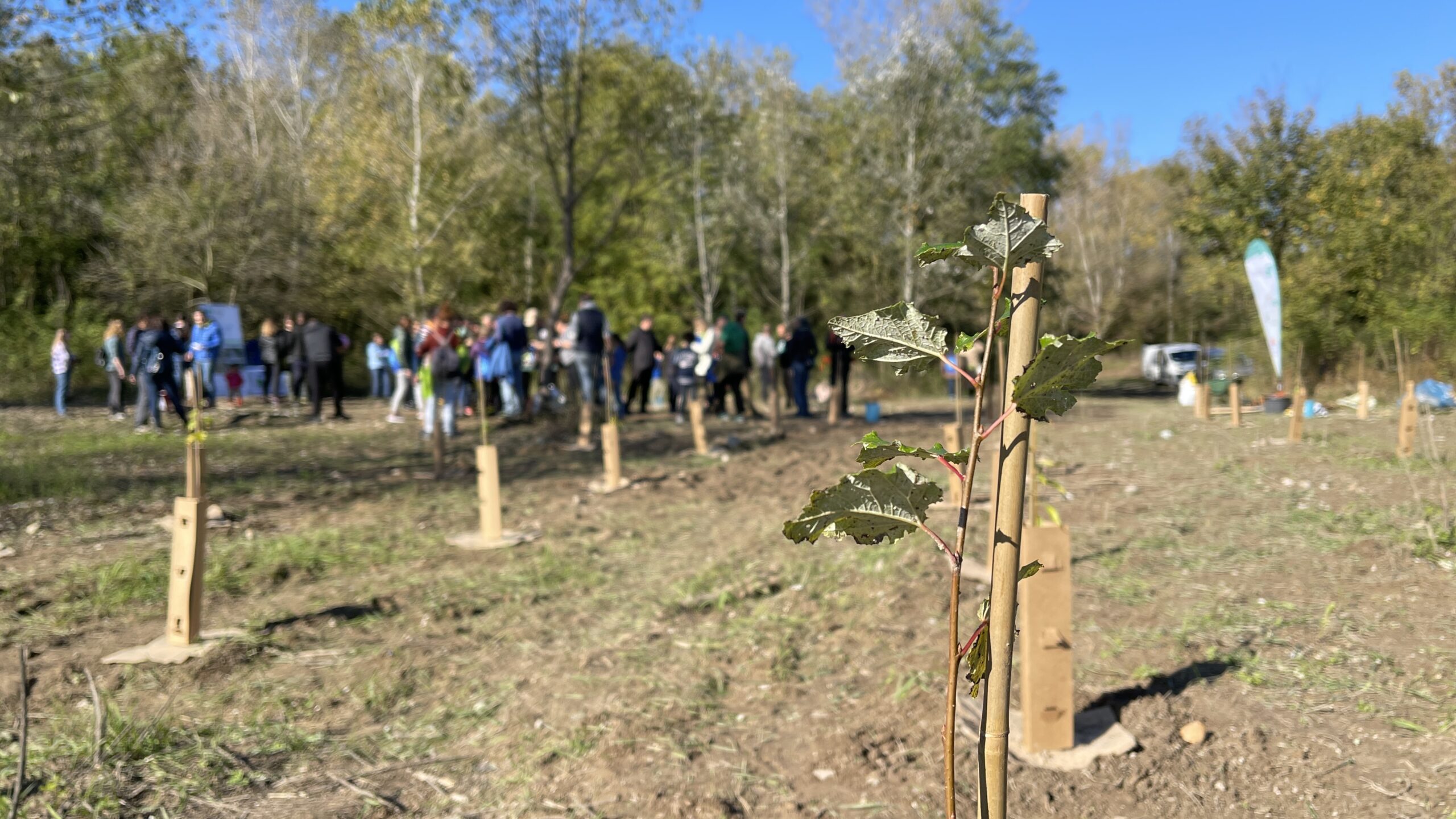
In Cessalto, in the province of Treviso, a new lowland forest is taking shape: it is called Nico Forest, a new green lung that joins Bosco Olmè, one of the oldest lowland forests in the area, bringing the total tree cover to around 28 hectares. The Nico Forest area was previously managed by its former owner for agricultural purposes, mainly cereal farming: the current owner, who took over from the previous one, has decided to launch a reforestation project with us to convert it into a permanent forest, in order to meet the demand for green and wooded areas in contexts where they are scarce, such as the plains.
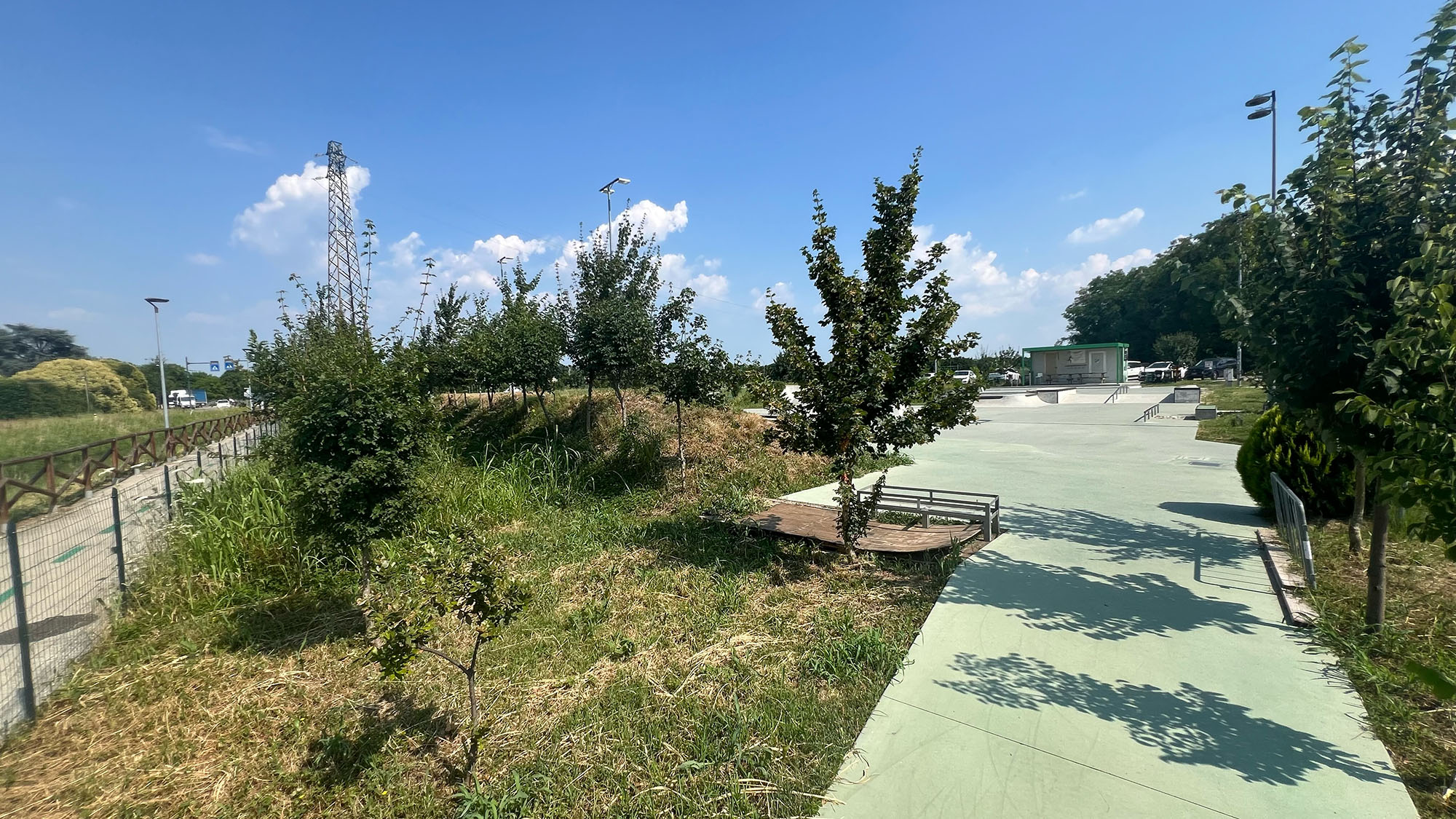
The forest is located in an area well suited to mitigating the impact of urbanization and air pollution: Nico Forest, in fact, is situated near the Cessalto motorway toll booth, south of the industrial area immediately adjacent to the motorway, and will be able to absorb CO2, ensuring cleaner, healthier air, as well as providing many ecosystem services.
The goal of the Nico Forest reforestation project is to raise public awareness of forests as providers of goods and services. In particular, “Nico Forest” will be designed around two aspects of great local significance: honey production and the gathering of forest foods. The design and implementation of the project, therefore, draws inspiration from the concept of a food forest; Nico Forest will become the largest food forest open to the public in the entire Veneto region. Indeed, the project involves planting native species typical of the Veneto plains forest: hornbeam, English oak, narrow-leaved ash, hazel, lime tree, hawthorn, elderberry, apple, blackthorn, common juniper, and barberry.
By adopting a tree at Nico Forest, you can help create the largest food forest in the Veneto region and do your part to fight the climate crisis, creating a forest that’s beautiful, resilient, and beneficial to both people and wildlife.