close
close

No products in the cart.

June 2022 – Update from the forests in Val di Zoldo

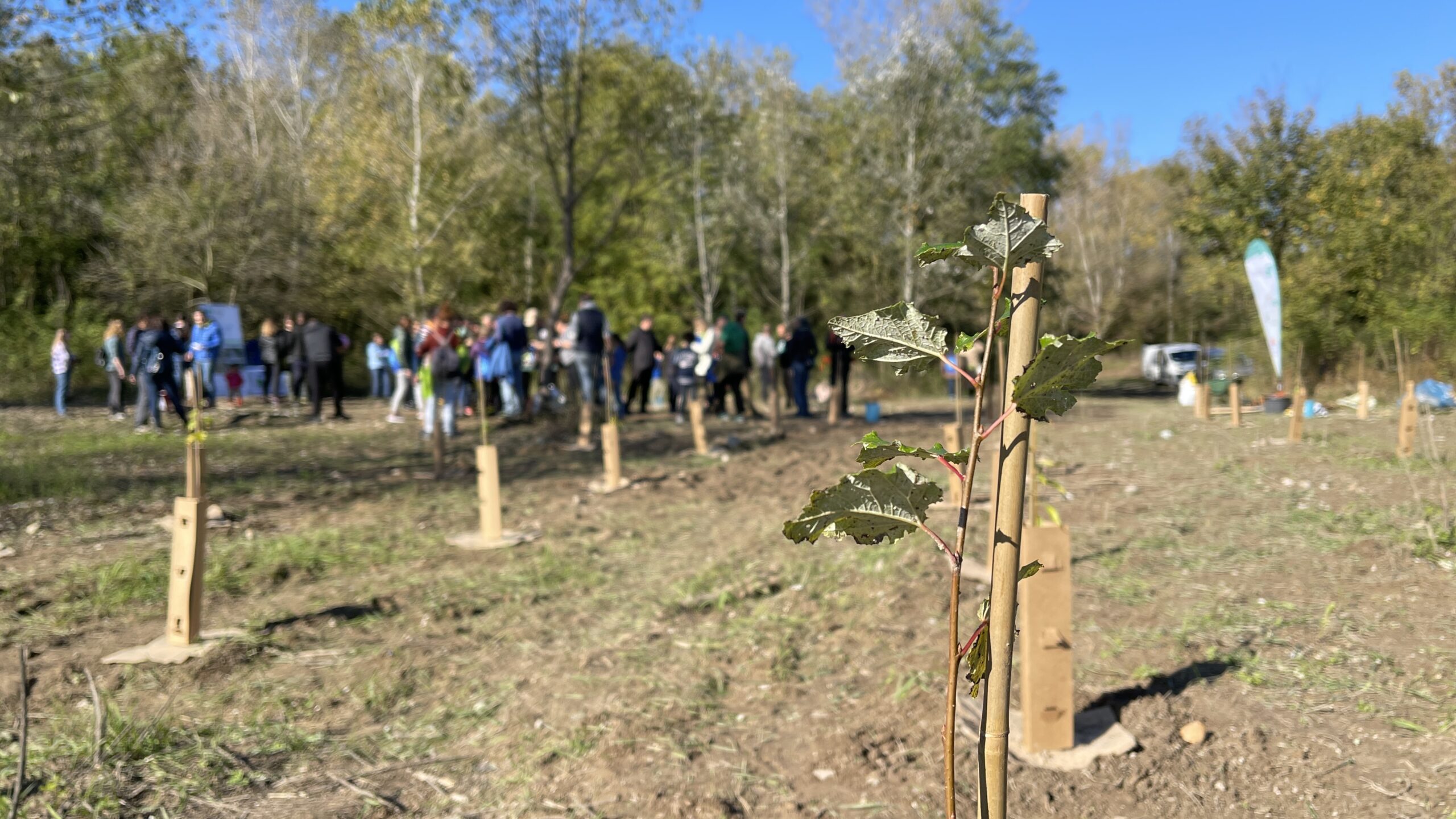
In June 2022 we returned to Pra de Val, at an altitude of about 900 metres, to monitor the seedlings planted together with you in the autumn of 2020, which are now starting their second growing season.


How did it go? The overall success of the reforestation can be considered positive, although working in mountain environments always brings challenges. We chose a low-impact approach, without plastic shelters to protect the seedlings, and as a result we found browsing damage from deer and roe deer on several plants. The winter drought, with no snow, and the spring frosts then caused damage, especially to the Norway spruce.


But reforestation is a process whose ultimate goal is to rebuild an ecosystem: every seedling, even those that did not make it in the first few years, has helped recreate the forest ecosystem as a whole.


In autumn we will replace the failed seedlings, that is, those that did not make it through these first two growing seasons, choosing the species that have proven best suited to the context and adding new ones, always observing what nature is doing around us. In the coming years we will continue with maintenance work, especially summer mowing, and with monitoring to ensure the project’s success.


Watch the update video

July 2020 – Update from the forests in Val di Zoldo

Last summer, as we told you last time, activities in Val di Zoldo focused on restoring and securing roads and traffic routes ahead of the tourist season. Several months later, many works have been completed, but there is still much to do!

Fortunately, this valley was hit less intensely by the Vaia storm compared to other mountain areas in Northern Italy, but the characteristics of the damage suffered by the forests have made restoration work slow and complex. In fact, the size and peculiarities of the woods to be restored (small areas scattered across a complex territory in terms of accessibility and forest entry) have caused another problem: it is difficult to find forestry companies willing to intervene while bearing very high operational costs and cumbersome procedures.
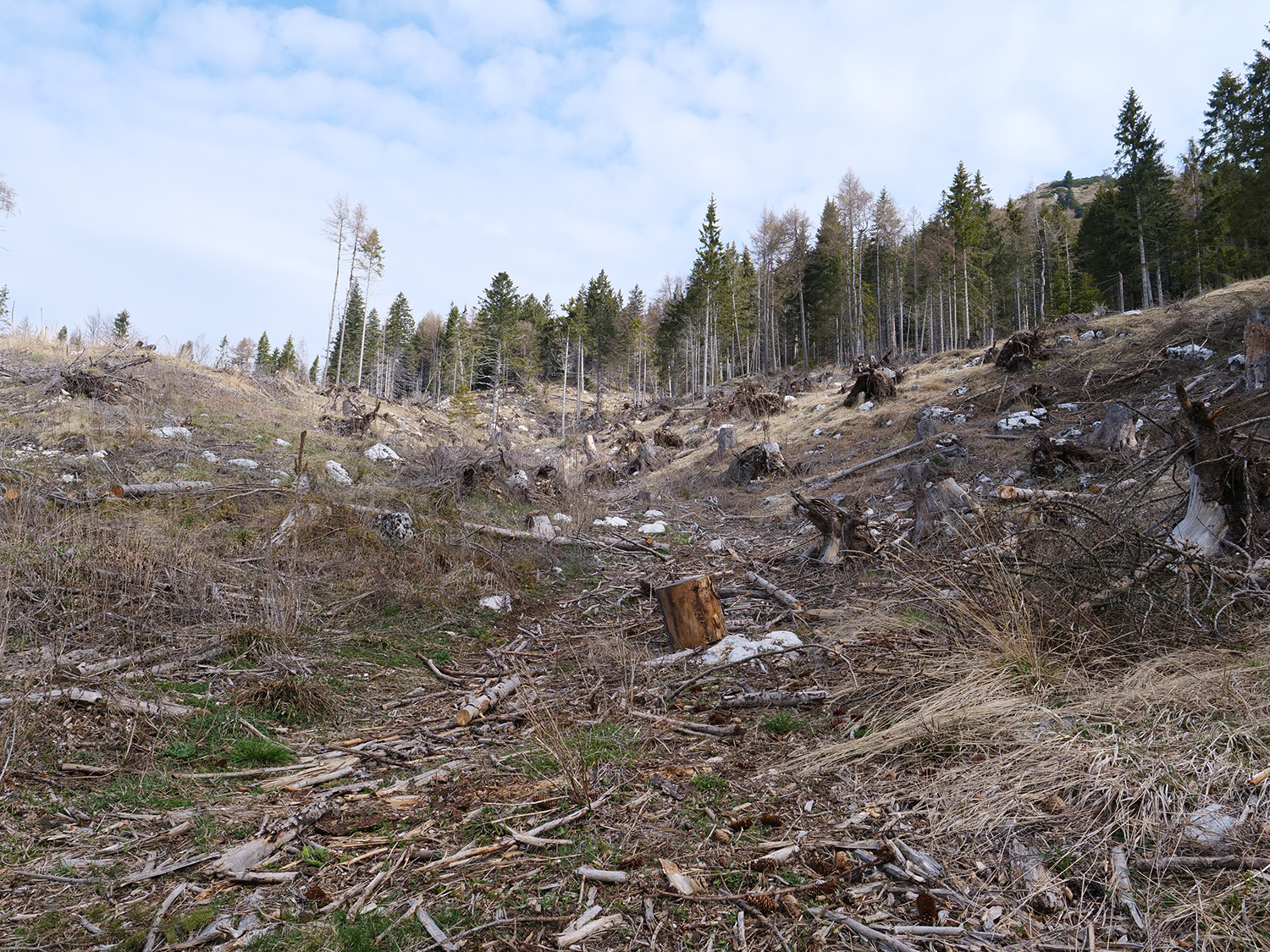
 

In summary, the main issues related to the recovery of fallen trees are:

  1. – Access to the intervention areas. In some cases, these are areas with steep slopes and a lack of forest roads that would allow the work to be carried out safely and sustainably.
  2. – It is not easy to find forestry companies when dealing with small-scale areas like those in Zoldo, because it is economically less advantageous than working on large damaged surfaces. This situation is slowing down restoration work; as a result, the material remains in the woods longer, becoming more susceptible to phytosanitary problems caused by fungi or wood insects and losing value. Furthermore, afforestation operations will also be delayed, and consequently, so will the provision of ecosystem services by those forests.
  3. – Timber market saturation. With so much material available on the market, it is difficult to sell all the recovered timber.

Next steps

Thanks to all of you, the forest in Pra de Val will be reborn (near Forno di Zoldo): our experts selected this forest among those hit hardest because it has an important protective and recreational function, as it is crossed by a CAI trail that is currently blocked.

The plan was to create an “experimental” plantation (introducing larch to increase the forest’s biodiversity and resilience) this spring but, as often happens, life surprised us and the health emergency forced us to temporarily cancel the interventions and, of course, all public events.

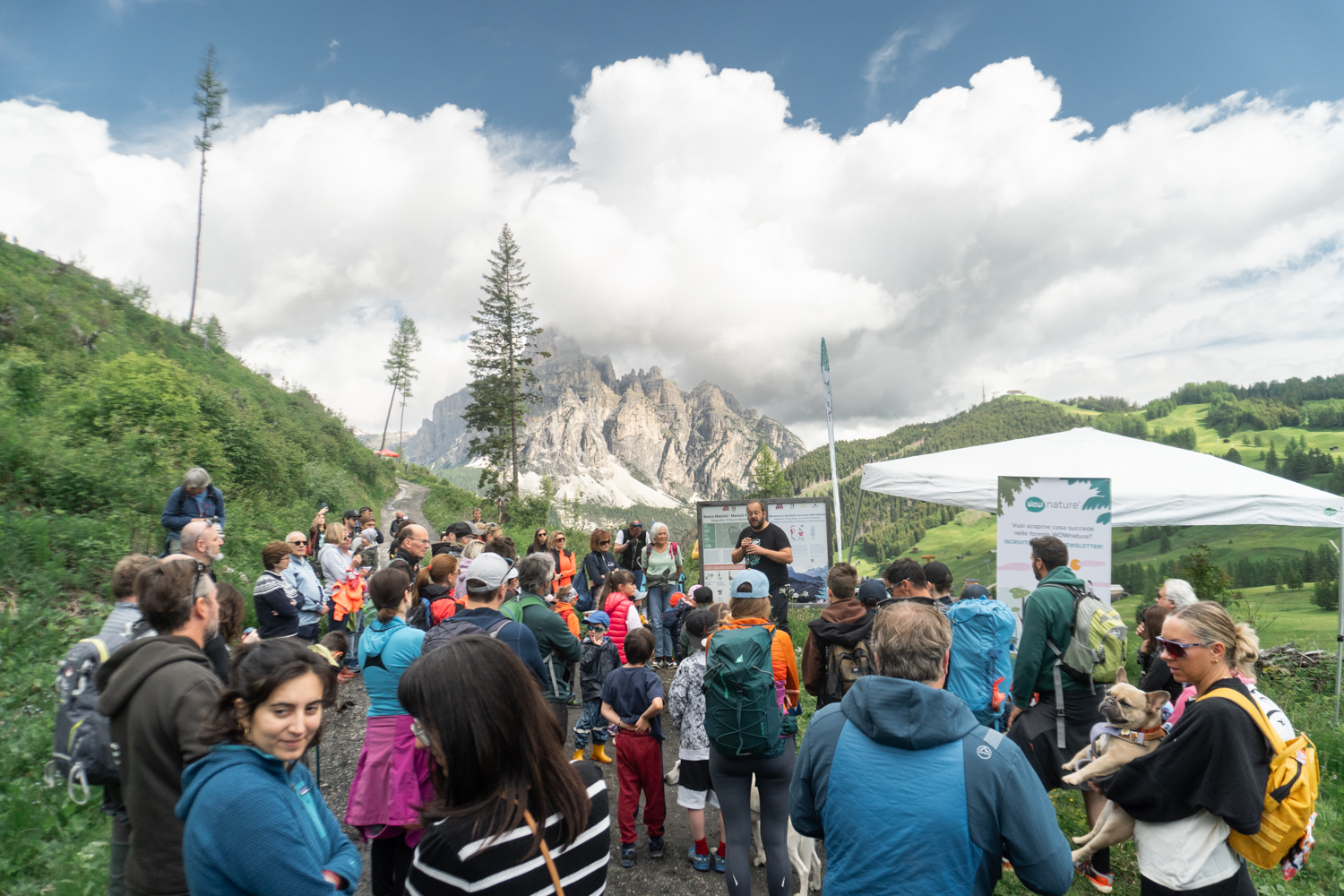
However, we decided not to get discouraged and to use this period to involve even more people: after working hard, we have found an adoptive family for the trees to be planted in Val di Zoldo and we are preparing the planting day scheduled for autumn 2020.

Just a little more patience and the new forest will come to life: in autumn we will hit the ground running, despite the Coronavirus.

SHARE